
At our upcoming article, we will delve into the fascinating evolution of farming equipment, from the traditional tractors of the past to the cutting-edge drones of today. Over the years, technological advancements in agriculture have revolutionized the way farmers operate and adapt to the challenges they face.
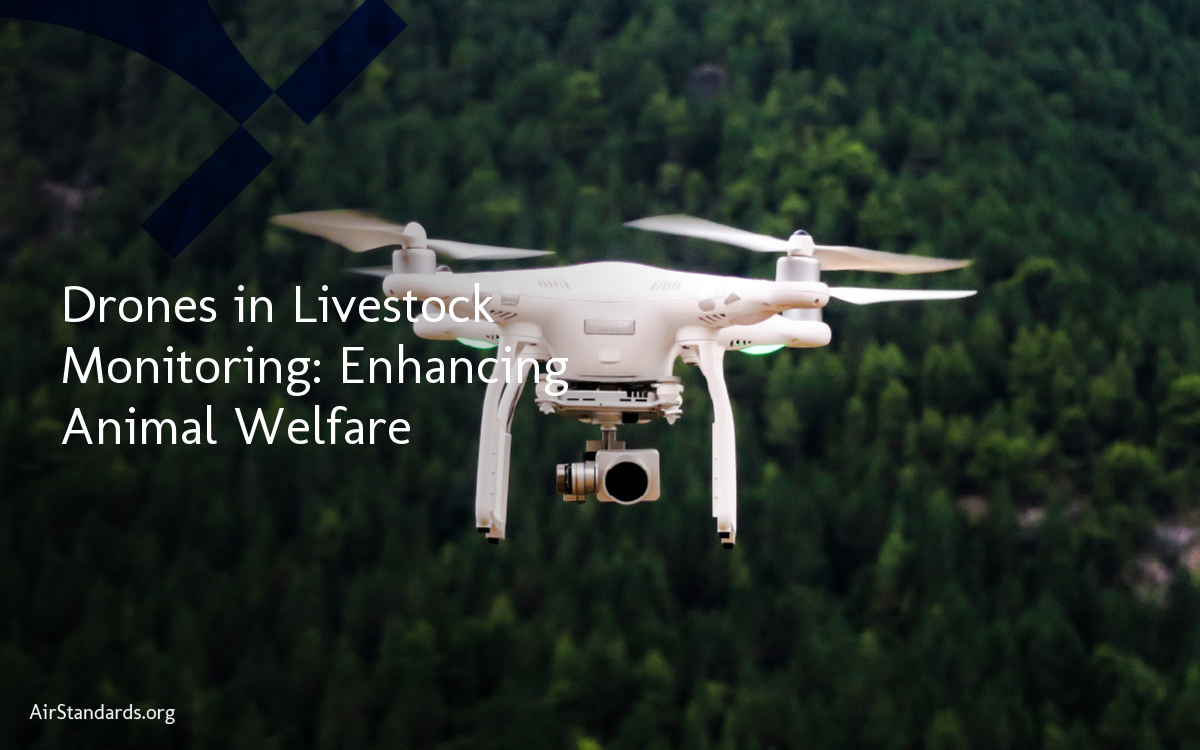
One of the most significant developments in recent years is the rise of agricultural drones. These unmanned aerial vehicles have become an essential tool for farmers, allowing them to tackle climate change and rising costs head-on. Drones are designed to provide hands-on crop management, including precise spraying of herbicides, insecticides, and fertilizers, as well as seed distribution.
Drones offer a myriad of benefits over traditional tractors. They not only provide cost savings and increased efficiency but also have a reduced environmental impact. By using drones, farmers can optimize the use of resources and minimize waste in agricultural practices. Moreover, drones have the potential to disrupt the tractor industry, opening up new possibilities for small and midsized farmers.
As we explore the evolution of farming equipment, the shift from tractors to drones highlights the continuous drive for technological advancements in agriculture. Join us as we dive into the world of agricultural drones and discover how they are shaping the future of farming.
The Rise of Agricultural Drones
Farmers have been embracing the use of agricultural drones for the past two decades. Initially used for aerial imaging, drones have now evolved to become an essential tool for hands-on crop management. With the ability to spray chemicals with precision, distribute seeds, and provide detailed imaging of crop health, drones offer a range of benefits to the agriculture industry.
One of the key advantages of agricultural drones is their ability to reduce agrochemical usage. By delivering chemicals directly into the crop without overspill, drones minimize waste and help farmers optimize their chemical application. This not only saves costs but also has a positive environmental impact by minimizing chemical runoff. Additionally, drones offer lower fuel costs compared to traditional tractors, as they are more energy-efficient and can work in difficult conditions.
Precision agriculture is another area where drones excel. With detailed imaging capabilities, farmers can gain valuable insights into crop health, allowing for targeted interventions. From detecting early signs of disease to monitoring nutrient levels, drones enable farmers to take proactive measures and optimize their crop management strategies. This level of precision can significantly increase efficiency and ultimately improve yields.
| Benefits of Agricultural Drones | |
|---|---|
| Reduced agrochemical usage | Lower fuel costs |
| Precision crop management | Increased efficiency |
| Environmental impact | Optimized chemical application |
While agricultural drones cannot completely replace tractors, they are increasingly seen as a valuable tool in modern farming. As technology continues to advance, drones are likely to play a pivotal role in the future of agriculture, working alongside other technological advancements such as artificial intelligence and automation. With their benefits in cost savings, increased efficiency, and reduced environmental impact, agricultural drones are set to revolutionize the way we approach farming.
The Advantages of Agricultural Drones
Agricultural drones offer several advantages over traditional tractors and crop-dusting methods. Their innovative technology brings efficiency and sustainability to farming practices, making them a valuable tool in modern agriculture.
One of the key advantages of agricultural drones is their reduced environmental impact. Unlike tractors, drones do not touch the soil or damage crops as they operate above the fields. This eliminates the risk of soil compaction and crop damage, allowing farmers to maintain healthier and more productive vegetation. Additionally, drones deliver chemicals directly into the crop without overspill, ensuring precise application and minimizing waste. This reduces chemical usage and the potential for environmental pollution, making agriculture more sustainable.
Efficiency is another significant advantage of agricultural drones. These unmanned aerial vehicles use less energy compared to traditional tractors, resulting in cost savings for farmers. Drones can navigate around obstacles, such as trees or uneven terrain, effectively covering the entire field. Their ability to work in difficult conditions, such as steep slopes or wet soil, further enhances efficiency, as tractors may struggle in these environments. By streamlining crop management processes, drones save time and resources, allowing farmers to focus on other important aspects of their operations.
| Advantages of Agricultural Drones | Efficiency in Farming | Environmental Impact of Drones |
|---|---|---|
| Reduced environmental impact | Less energy usage | Minimized chemical usage |
| Prevents soil compaction and crop damage | Navigates around obstacles | Reduces environmental pollution |
| Precise chemical application | Works in difficult conditions |
Although agricultural drones cannot completely replace tractors, their numerous advantages make them an essential component of modern farming. As technology continues to advance, drones will likely play an even more significant role in agriculture, improving efficiency and sustainability in the industry.
The Future of Agricultural Drones
As technology continues to advance, the future of agricultural drones looks promising. Innovations in drone technology are paving the way for smaller, lighter drones with longer-lasting batteries and stronger frames. These advancements make drones more efficient and capable of handling various tasks in the agricultural sector.
One area of development in agricultural drones is the integration of artificial intelligence (AI). Startups are working on AI software that enables drones to use computer vision for precise chemical application. With AI, drones can analyze crop health data and make informed decisions on when and where to apply pesticides, herbicides, and fertilizers. This level of automation and accuracy can greatly improve farming practices and reduce the need for manual intervention.
Moreover, the future of agricultural drones also holds the promise of replacing expensive and wasteful crop-dusting methods. While drones currently excel at precise chemical application on crops, their ability to handle large fertilizer applications is limited. However, with ongoing advancements in technology, it is only a matter of time before drones overcome these limitations and offer a comprehensive solution for all aspects of crop management.
| Advancements in Drone Technology | Benefits for Agriculture |
|---|---|
| Smaller, lighter drones | Increased efficiency and maneuverability |
| Longer-lasting batteries | Extended flight time for better coverage |
| Stronger frames | Improved durability for harsh conditions |
| Integration of artificial intelligence | Enhanced decision-making and automation |
With the combined power of advanced drone technology, artificial intelligence, and automation, the future of agricultural drones holds immense potential for transforming the farming industry. Farmers can expect increased productivity, reduced costs, and minimized environmental impact. As drones become a more integral part of modern agriculture, we can look forward to a more sustainable and efficient farming future.
The Impact on the Tractor Industry
The rise of agricultural drones has the potential to disrupt the tractor industry. While some tractor manufacturers have started investing in drones, they have not fully recognized the potential impact. Drones offer cost-effective and efficient alternatives to traditional tractors, especially for small and midsized farmers. The era of flying tractors has arrived, and tractor manufacturers need to adapt to this shift in agricultural technology.
Tractor manufacturers investing in drones can capitalize on the benefits that these unmanned aerial vehicles offer. By incorporating drone technology into their product line, manufacturers can provide farmers with a more diversified range of tools for crop management. This diversification allows farmers to choose the most suitable method for their specific needs, whether it be using a tractor or a drone. Additionally, investing in drones can help tractor manufacturers stay competitive in the evolving agricultural landscape.
The future of the tractor industry will likely involve a combination of traditional tractors and drones working together seamlessly. Tractors will continue to be essential for heavy-duty tasks such as plowing and harvesting, while drones will excel in precision agriculture, aerial imaging, and crop spraying. The integration of these two technologies will lead to a more efficient and sustainable agricultural sector.
| Impact on Tractor Industry | Future of Tractors | Tractor Manufacturers Investing in Drones |
|---|---|---|
| Disruption due to the emergence of agricultural drones | Blend of traditional tractors and drones | Investment in drone technology |
| Need for adaptation to the shift in agricultural technology | Enhanced efficiency and sustainability | Expansion of product line |
| Increased competition in the evolving agricultural landscape | Improved precision agriculture capabilities | Staying relevant in the industry |
As the drone industry continues to grow, tractor manufacturers must recognize the potential of these aerial devices and invest in research and development to stay ahead. By embracing drone technology, they can better serve the changing needs of farmers and contribute to the advancement of modern agriculture.
Real-Life Examples of Agricultural Drone Use
Agricultural drones have proven to be highly effective tools in modern farming, with numerous success stories showcasing their practical applications. These real-life examples highlight the diverse benefits that drones bring to the agricultural industry, including cost savings, increased efficiency, and reduced environmental impact. Let’s explore a couple of these noteworthy cases:
Example 1: Agrochemical Reduction in Georgia
In Georgia, a farmer implemented drone technology in their farming practices and experienced remarkable results. By utilizing a drone for precise chemical application, this farmer achieved a 15% reduction in agrochemical usage. Not only does this lower the costs associated with purchasing and using chemicals, but it also minimizes the potential negative impact on the environment. Additionally, the farmer reported lower fuel costs due to the increased efficiency of using a drone for crop management tasks.
Example 2: Organic Pesticide Spraying in Iowa
In Iowa, another farmer embraced drones for organic pesticide spraying and seed distribution. This innovative approach allowed for targeted and accurate pesticide application, minimizing the risk of overspray and reducing overall chemical usage. By leveraging drone technology, this farmer was able to efficiently protect their crops while adhering to organic farming practices. The use of drones also enabled them to cover larger areas of land in a shorter period, improving productivity and optimizing resource allocation.
| Benefits of Agricultural Drones | Example 1 | Example 2 |
|---|---|---|
| Cost savings | 15% reduction in agrochemical usage | Efficient organic pesticide spraying |
| Increased efficiency | Lower fuel costs | Improved productivity |
| Reduced environmental impact | Minimized chemical usage | Accurate pesticide application |
These real-life examples demonstrate the tangible benefits that agricultural drones offer to farmers. They provide cost-effective solutions, improve operational efficiency, and contribute to a more sustainable agricultural industry. These success stories fuel optimism for the future of drone technology and its continued integration into modern farming practices.
Conclusion
The evolution of farming technology has brought about significant advancements in agriculture, with the rise of agricultural drones leading the way. These drones offer numerous benefits that can revolutionize the future of agriculture. From cost savings to increased efficiency and reduced environmental impact, drones are proving to be a valuable tool for farmers.
As we look ahead, the future of agriculture will undoubtedly involve the integration of drone technology. With ongoing advancements in drone capabilities, such as longer-lasting batteries and AI software, their potential is only set to grow. Drones have the power to transform the agricultural landscape, offering precise crop management and reducing the need for traditional tractors.
Small and midsized farmers stand to benefit the most from this technological shift. Drones provide them with cost-effective alternatives and level the playing field in farming. The era of flying tractors is here, and it is essential for tractor manufacturers to recognize the potential impact and adapt accordingly.
The use of drones in farming represents a positive step towards a more sustainable and efficient agricultural industry. By embracing drone technology, we can achieve greater precision, reduce environmental impact, and ensure a brighter future for agriculture. As we continue to evolve, drones, artificial intelligence, and automation will undoubtedly play a vital role in shaping the future of farming.

- SMED Manufacturing: Reduce Changeover Times & Boost Efficiency - January 30, 2026
- Aviation Lifecycle Services: Maximizing Safety, Efficiency, and Compliance Through Digital Strategies - December 1, 2025
- Syringe Pump Automation: Elevating Laboratory Standards - November 3, 2025