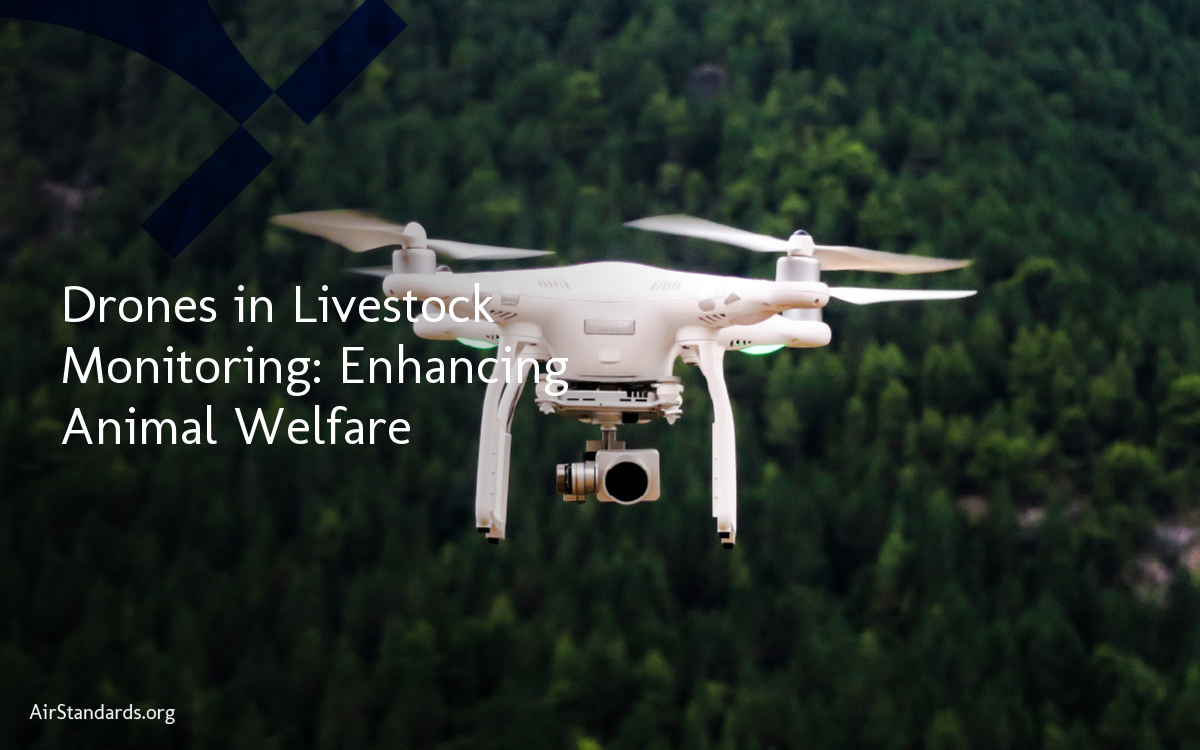

In the world of organic farming, drones are revolutionizing sustainable agriculture practices and enhancing organic yields. These unmanned aerial vehicles are being deployed in various ways to manage plant and animal diseases, conserve wildlife, monitor and recover from wildfires, tend to livestock and crops, inspect renewable energy infrastructure, map natural resources, and even deliver packages.
Enhancing Sustainable Farming Practices in Organic Pecan Cultivation
Organic pecan cultivation is experiencing a transformation with the introduction of drone technology. These aerial devices are revolutionizing sustainable farming practices and contributing to significant improvements in crop yield. The Choctaw Nation in Oklahoma, for example, has utilized drones to inspect pecan trees and discovered healthy pecans in the treetops, resulting in a remarkable 200 percent increase in crop yield.
In addition to tree inspections, organic pecan growers in New Mexico are using drones for natural pest control. By releasing ladybugs from drones, farmers can effectively manage pests without resorting to harmful chemicals. This approach not only ensures the organic integrity of the pecans but also promotes a sustainable farming ecosystem.
Furthermore, the U.S. Fish and Wildlife Service has harnessed the power of drones to aid in wildlife conservation efforts within organic pecan farms. By using drones to dispense vaccine pellets, they can assist prairie dogs and help preserve the endangered black-footed ferret. These innovative uses of drone technology highlight its potential in enhancing sustainable farming practices and protecting biodiversity.
Enhancing Sustainable Farming Practices in Organic Pecan Cultivation: A Comparative Study
| Aspect | Traditional Methods | Drone Technology |
|---|---|---|
| Pest Control | Chemical pesticides that may harm beneficial insects | Release of ladybugs for natural pest control |
| Crop Inspection | Manual inspection, limited scope | Aerial inspection, comprehensive assessment |
| Wildlife Conservation | No direct involvement | Dispensing vaccine pellets for prairie dog population management |
| Crop Yield | Limited improvements | Up to 200% increase in pecan crop yield |
Based on a comparative study, the use of drones in organic pecan cultivation offers several advantages over traditional methods. Drones enable precise crop inspections, providing a comprehensive assessment of tree health and facilitating early intervention. Moreover, the release of ladybugs for pest control promotes a sustainable farming ecosystem, free from harmful chemical pesticides.
Furthermore, the involvement of drones in wildlife conservation within organic pecan farms demonstrates the potential of these devices to contribute to biodiversity preservation. By dispensing vaccine pellets to manage prairie dog populations, drones play a crucial role in protecting endangered species such as the black-footed ferret.
In conclusion, the integration of drone technology in organic pecan cultivation is enhancing sustainable farming practices and yielding remarkable improvements in crop yield. The use of drones for crop inspections, natural pest control, and wildlife conservation showcases the enormous potential of these aerial devices in revolutionizing the future of organic farming.
Revolutionizing Wildlife Conservation with Aerial Surveys
The use of drones in wildlife conservation is transforming the way we conduct aerial surveys, providing invaluable insights into the populations and behaviors of various species. With their ability to capture high-quality imagery and access remote and challenging terrains, drones are revolutionizing wildlife research and conservation efforts.
Aerial Surveys: Precise Monitoring and Data Collection
Drones equipped with advanced imaging technology are being used by organizations such as the National Oceanic and Atmospheric Administration (NOAA) to study marine life, including bluefish tuna, killer whales, and sea lion populations. These aerial surveys provide researchers with precise imagery and allow for more accurate counts of these ecologically important creatures. The data gathered through drone-based surveys are essential for monitoring population trends, tracking migration patterns, and assessing the impact of environmental changes on wildlife habitats.
Minimizing Disturbance to Wildlife
One of the key advantages of using drones for aerial surveys is their ability to minimize disturbance to wildlife in their natural habitats. Traditional surveys conducted by airplane can disrupt animals and cause stress. In contrast, drones operate at lower altitudes and produce less noise, allowing for more inconspicuous observations. This non-intrusive approach allows scientists to capture natural wildlife behavior and gather more reliable data on their interactions, breeding patterns, and overall well-being.
| Advantages of Drone-Based Aerial Surveys in Wildlife Conservation | |
|---|---|
| High-quality imagery | Accurate monitoring and data collection |
| Access to remote and challenging terrains | Precise wildlife population counts |
| Non-intrusive approach | Minimized disturbance to wildlife |
By harnessing the power of drone technology, researchers and conservationists can gain a deeper understanding of wildlife populations, make informed management decisions, and contribute to the preservation of our natural ecosystems.
Managing and Responding to Wildfires with Drone Technology
Wildfires pose a significant threat to our environment, communities, and wildlife. To effectively manage and respond to these disasters, drone technology has emerged as a valuable tool. Drones equipped with advanced capabilities have revolutionized wildfire management, offering a range of benefits and improving overall efficiency.
Drone-Assisted Firefighting
One of the key applications of drones in wildfire management is drone-assisted firefighting. These unmanned aerial vehicles can be equipped with various firefighting tools, such as thermal cameras and water delivery systems. Drones can navigate challenging terrain, providing real-time data and imagery to firefighters on the ground. This enables them to assess the fire’s behavior, identify hotspots, and make more strategic decisions regarding resource allocation.
Monitoring and Reforestation
Drones also play a crucial role in monitoring ongoing wildfires. Equipped with high-resolution cameras and sensors, they can provide accurate and up-to-date information about the fire’s size, perimeter, and rate of spread. This data allows fire management teams to track the fire’s progression and make informed decisions about evacuation orders and resource deployment.
In addition to monitoring, drones contribute to the reforestation process post-wildfire. They can be used to deliver seed pods or specialized capsules containing tree seeds to areas affected by the fire. This innovative approach helps to expedite the regrowth of vegetation, restore ecosystems, and mitigate the long-term impact of wildfires.
| Benefits of Drones in Wildfire Management |
|---|
| Drones provide real-time data and imagery for accurate fire assessment. |
| They navigate challenging terrain, reaching areas inaccessible to humans. |
| Drones enhance the safety of firefighters by reducing their exposure to hazardous conditions. |
| Monitoring with drones helps in resource allocation and strategic decision-making. |
| Drones assist in reforestation efforts, promoting ecosystem recovery. |
| They minimize the environmental impact of wildfires through efficient monitoring and response. |
Precision Agriculture and Sustainable Farming Practices
Drones equipped with high-end imaging technology are revolutionizing precision agriculture. These unmanned aerial vehicles (UAVs) are helping farmers and ranchers monitor the health of their animals and crops, identify threats from diseases and pests, predict yields, and cultivate crops more efficiently. By providing real-time data and actionable insights, drones enable precision pesticide application, reducing the use of chemicals and targeting pests more effectively.
One of the key benefits of using drones in precision agriculture is the ability to precisely monitor crop health. Equipped with thermal and multispectral sensors, drones can detect early signs of stress or disease in plants that may not be visible to the naked eye. This allows farmers to take proactive measures, such as adjusting irrigation or applying targeted treatments, to prevent the spread of diseases and optimize crop yields.
Benefits of Drones in Precision Agriculture:
- Real-time monitoring of crop health
- Precision pesticide application
- Early detection of diseases and pests
- Improved resource management
- Cost and time savings
Moreover, drones provide farmers with detailed aerial maps and 3D models of their fields. This data can be used to identify variations in soil fertility, optimize irrigation strategies, and plan planting patterns more efficiently. By integrating drone technology into their farming practices, farmers can make data-driven decisions, reduce waste, and increase overall productivity.
Researchers are even exploring the feasibility of using drones for artificial pollination. As the global decline in pollinator populations threatens crop production, drones equipped with pollen dispensers could potentially assist in the pollination process, ensuring the continuity of crop yields.
| Benefits of Drones in Precision Agriculture | Examples |
|---|---|
| Real-time monitoring of crop health | Early detection of nutrient deficiencies in plants |
| Precision pesticide application | Targeted spraying to minimize chemical usage |
| Early detection of diseases and pests | Identifying pest outbreaks and disease hotspots |
| Improved resource management | Optimizing water and fertilizer usage |
| Cost and time savings | Reducing manual labor and increasing efficiency |
Improving Maintenance and Inspections of Renewable Energy Infrastructure
In the realm of renewable energy, drones are increasingly being utilized to enhance maintenance and inspections of solar cells and wind turbines. These unmanned aerial vehicles provide a cost-effective and efficient solution for monitoring and maintaining the integrity of renewable energy infrastructure, ultimately improving asset management and reducing costs.
Inspections of Solar Cells
Drones equipped with high-resolution cameras enable detailed inspections of solar cells, allowing for the identification of any potential issues or damage. By capturing high-quality images of solar panels from various angles and heights, drones can detect any signs of wear, degradation, or malfunctions. This proactive approach to maintenance ensures optimal performance, increases energy production, and prolongs the lifespan of solar cell installations.
Inspections of Wind Turbines
Similarly, drones are revolutionizing the inspection process for wind turbines. Equipped with advanced imaging technology, these aerial vehicles can conduct thorough inspections of turbine blades, identifying any structural damage, erosion, or other issues that may affect performance. By providing accurate and detailed data, drones assist in validating repair needs and optimizing the maintenance process, leading to improved turbine efficiency and reduced downtime.
| Benefits of Drone Inspections in Renewable Energy Infrastructure |
|---|
| Reduced costs and improved efficiency in maintenance and inspections |
| Early detection of issues or damage, minimizing downtime |
| Enhanced asset management and optimization of renewable energy infrastructure |
| High-resolution imagery for accurate identification of maintenance needs |
| Increased energy production and lifespan of solar cells |
| Improved turbine efficiency and performance |
In conclusion, the integration of drones in the maintenance and inspection of renewable energy infrastructure offers numerous benefits, including cost savings, improved efficiency, and enhanced asset management. With their advanced imaging capabilities, drones provide valuable insights into the condition of solar cells and wind turbines, enabling proactive maintenance and optimization of performance. As the renewable energy sector continues to expand, the use of drones in this field is poised to play an increasingly vital role in sustaining and improving our clean energy infrastructure.
Mapping and Monitoring Natural Resources with Drone Technology
Drones are revolutionizing the field of natural resource management by providing valuable insights into the status of land, air, and water resources. They are being used to map and monitor fragile dunes, track harmful algae blooms, study air pollution, and assess the health of irrigation water. With their ability to collect high-resolution imagery and even water samples, drones allow researchers and environmental professionals to identify potential problems and take proactive measures to protect and manage these vital resources.
By utilizing drones in mapping land and water resources, we can obtain detailed visual data that aids in decision-making processes regarding land conservation, water quality, and environmental sustainability. The use of drone technology offers a cost-effective and efficient approach to environmental monitoring, providing accurate and up-to-date information on the condition of our natural resources.
For example, drone imagery can reveal the extent of harmful algae blooms in lakes and rivers, enabling prompt action to mitigate their impact on aquatic ecosystems. Additionally, drones can be deployed to monitor air pollution levels, helping us identify pollution sources and develop strategies for reducing emissions. In agriculture, drone technology assists in irrigation management by monitoring soil moisture levels, optimizing water usage, and ensuring sustainable farming practices.
Overall, drones are transforming the way we assess and manage natural resources. With their ability to gather precise data, drones contribute to more informed decision-making, allowing us to protect and preserve our environment for future generations.
Table: Applications of Drone Technology in Natural Resource Management
| Application | Description |
|---|---|
| Mapping Fragile Dunes | Using drones to create detailed maps of delicate sand dune systems, aiding in their conservation and protection. |
| Tracking Harmful Algae Blooms | Deploying drones to monitor the spread and severity of harmful algae blooms in bodies of water, facilitating timely response and mitigation efforts. |
| Studying Air Pollution | Utilizing drones to measure air pollution levels and identify pollution sources, leading to targeted strategies for reducing emissions. |
| Monitoring Irrigation Water | Using drones to assess the quality of irrigation water, ensuring sustainable and efficient water management practices in agriculture. |
The Future of Drone Delivery in Sustainable Logistics
As drones continue to revolutionize various industries, their potential in sustainable logistics is becoming increasingly evident. Major corporations like Alphabet, Amazon, and UPS are actively exploring the use of drones for package delivery, paving the way for a greener and more efficient future.
By utilizing drones for package delivery, companies can significantly reduce the use of fossil fuels and the carbon emissions associated with traditional delivery methods. Shifting even a small percentage of deliveries from trucks to drones has the potential to save substantial amounts of fuel, leading to a notable decrease in carbon emissions.
The development of drone delivery systems aligns perfectly with the ongoing efforts to promote sustainability in the logistics industry. Not only do drones offer a more environmentally friendly alternative, but they also provide faster and more flexible delivery options. With their ability to navigate through traffic and bypass congested areas, drones can deliver packages more quickly, ensuring efficient and timely service.
Moreover, the use of drones in package delivery has the potential to revolutionize last-mile logistics. This critical stage of the delivery process is often the most costly and time-consuming. Drones can efficiently cover short distances, reaching remote areas and delivering packages to customers in a fraction of the time compared to traditional methods.

- SMED Manufacturing: Reduce Changeover Times & Boost Efficiency - January 30, 2026
- Aviation Lifecycle Services: Maximizing Safety, Efficiency, and Compliance Through Digital Strategies - December 1, 2025
- Syringe Pump Automation: Elevating Laboratory Standards - November 3, 2025