
We, as experts in the field of pest control, are witnessing a groundbreaking revolution with the adoption of drones. These unmanned aerial vehicles have proven to be an innovative and efficient tool in combating pests and protecting crops. Traditional methods of pest control, such as chemical pesticides, have posed environmental risks and often fall short against invasive pests. However, drones offer a modern approach that is not only high in efficiency but also beneficial for the environment.
The use of drones in pest control provides a wide array of advantages. Their ability to cover large areas quickly and effectively saves labor, time, and resources. With targeted spraying capabilities, drones minimize exposure to pesticides, ensuring environmental safety. Furthermore, their versatility allows them to access hard-to-reach areas, including tall crops or dense vegetation.
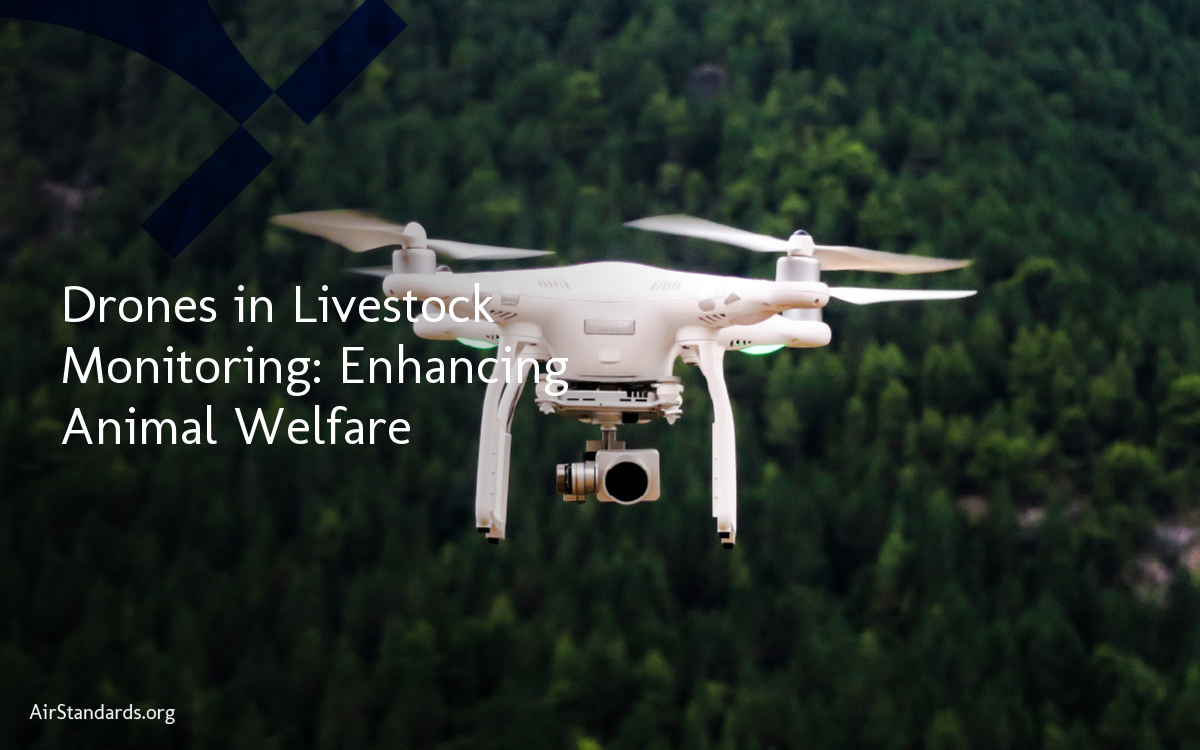
Equipped with advanced imaging technologies, drones enable accurate droplet deposition, maximizing the effectiveness of pesticide applications. They also play a crucial role in pest detection and monitoring by utilizing remote sensing and infrared thermal imaging. These noninvasive methods allow for early pest identification and timely interventions, preventing further damage to crops.
Moreover, drones have expanded their applications beyond pest control. They are widely used for crop monitoring, precision pest management, and treatment application. By capturing high-resolution images and collecting data, drones assist farmers in making informed decisions and optimizing resource usage.
The future of drone technology in pest control and agriculture holds great promise, with advancements expected in sensor technology, flight capabilities, and data analysis. However, challenges such as regulatory considerations and research collaborations need to be addressed for widespread adoption.
Lastly, drones are leading the way in green pest control practices. They allow for efficient and safe roof inspections, identifying potential points of entry for pests. By embracing drones, we are embracing a more efficient, innovative, and eco-friendly approach to pest control.
Benefits of Drones in Pest Control
Drones offer numerous advantages in the field of pest control. They are highly efficient and can cover large areas of farmland quickly and effectively, saving both time and labor. With their wide area coverage capabilities, drones can perform tasks that would otherwise require manual effort. This increased efficiency allows for more efficient allocation of resources and significantly reduces the time required for pest control operations.
One of the key benefits of using drones in pest control is their ability to provide precise and targeted spraying. By utilizing advanced imaging technologies, such as infrared thermal imaging, drones can accurately measure droplet deposition and ensure that the right amount of pesticide is delivered to the targeted areas. This not only minimizes waste but also reduces the harmful impact of pesticides on the environment.
Drones also have the advantage of being able to access difficult-to-reach areas, such as tall crops or dense vegetation. Their ability to fly at various heights allows them to reach these areas and effectively deliver pest control measures. Additionally, drones can provide real-time data and monitoring, enabling farmers to track the progress and effectiveness of their pest control measures.
Benefits of Drones in Pest Control:
- Efficient and labor-saving
- Wide area coverage
- Accurate and targeted spraying
- Reduced environmental impact
- Real-time data and monitoring
In summary, the use of drones in pest control offers a range of benefits, including increased efficiency, labor savings, wide area coverage, accurate spraying, and reduced environmental impact. With their advanced imaging technologies and ability to access difficult-to-reach areas, drones provide a modern and eco-friendly approach to pest control. As drone technology continues to improve, we can expect to see even more advancements and applications in the field of pest management.
Droplet Deposition and Spray Efficiency
When it comes to effective pesticide spray using drones, droplet deposition plays a crucial role. Several parameters, such as droplet size, density, coverage, and uniformity, determine the efficiency of spraying and ultimately impact crop productivity. Studies have shown that drones have the potential to optimize these parameters, leading to improved crop yields.
To accurately measure droplet deposition and assess the effectiveness of sprayed pesticides, researchers utilize advanced imaging technologies like infrared thermal imaging. These technologies enable precise analysis of droplet distribution and help determine the efficacy of the spraying process. By delivering the right amount of pesticide to the targeted areas, drones minimize waste and maximize the effectiveness of the treatment.
With their ability to provide accurate and targeted spraying, drones offer an innovative solution for pest control in agriculture. Through optimized droplet deposition and spray efficiency, farmers can ensure that crops receive the necessary protection while minimizing the negative impact on the environment. Drones play a vital role in enhancing the accuracy and effectiveness of pest control measures, contributing to sustainable agriculture practices.
| Droplet Deposition Parameters | Impact on Spray Efficiency |
|---|---|
| Droplet Size | Affects the coverage and penetration of pesticides on crops |
| Droplet Density | Determines the concentration of pesticides applied to the target areas |
| Uniformity | Affects the consistency of coverage across the crop surface |
By focusing on optimizing these parameters, drone technology can revolutionize pest control in agriculture, ensuring precise, efficient, and accurate spraying. As the industry continues to evolve, further research and advancements in drone technology will contribute to the development of even more effective pest control strategies.
Pest Detection and Monitoring
Drones equipped with advanced imaging technologies offer a noninvasive and efficient method for pest detection and monitoring. By utilizing remote sensing and infrared thermal imaging, drones can analyze changes in leaf reflectance and capture aerial images to detect and identify pest hotspots. This early detection enables farmers to take timely interventions and prevent further damage to the crops. With the ability to cover large areas quickly, drones reduce the need for manual scouting, saving both time and labor. The data collected from drones can be analyzed and used to create digital maps, guiding the delivery of targeted solutions for precision pest management.
The use of drones in pest detection and monitoring is particularly beneficial as it brings several advantages. Firstly, it allows for noninvasive methods of surveillance, minimizing the disruption to the natural ecosystem and reducing the need for physical intervention. Secondly, drones can access hard-to-reach areas of the fields, such as tall crops or dense vegetation, providing comprehensive coverage and ensuring that no pest hotspots are missed. Additionally, drones offer real-time data and monitoring capabilities, enabling farmers to track the progress and effectiveness of their pest control measures.
Table: Comparison of Pest Detection Methods
| Traditional Methods | Drones | |
|---|---|---|
| Accuracy | May miss small or hidden pest infestations | Highly accurate detection through advanced imaging technologies |
| Efficiency | Time-consuming manual scouting | Quick and efficient coverage of large areas |
| Noninvasive | May disrupt the natural ecosystem | Minimally invasive, reducing the need for physical intervention |
| Real-time Monitoring | Limited ability to track progress and effectiveness | Real-time data and monitoring capabilities |
In conclusion, drones equipped with advanced imaging technologies offer a powerful tool for pest detection and monitoring in agriculture. The noninvasive and efficient nature of drone surveillance allows for early detection of pest infestations, enabling timely interventions and minimizing crop damage. The ability to cover large areas quickly, access hard-to-reach areas, and provide real-time data make drones an invaluable asset in precision pest management. As drone technology continues to advance, we can expect even more sophisticated and effective methods of pest detection and monitoring to further enhance crop protection and productivity.
Applications of Drones in Agriculture
Drones have revolutionized the agricultural industry by offering a wide range of applications beyond just pest control. Farmers are utilizing drone technology for precision pest management, crop monitoring, and treatment application, resulting in improved efficiency and productivity.
With their high-resolution cameras and data collection capabilities, drones enable farmers to monitor crop health and identify areas of stress or infestations. This valuable information allows for targeted treatment application, reducing the need for blanket pesticide spraying and minimizing environmental impact. Drones also play a vital role in precision agriculture, ensuring the precise distribution of pesticides, fertilizers, and other inputs, optimizing resource usage and reducing waste.
In addition to crop monitoring and treatment application, drones provide real-time data and monitoring, allowing farmers to make informed decisions. By capturing aerial images and collecting data, farmers can track the progress and effectiveness of pest control measures, adjust their strategies as needed, and maximize crop productivity.
Table: Applications of Drones in Agriculture
| Application | Benefits |
|---|---|
| Precision Pest Management | Targeted treatment application, reduced environmental impact |
| Crop Monitoring | Early detection of stress or infestations, informed decision-making |
| Treatment Application | Precise distribution of inputs, waste reduction |
As drone technology continues to advance, we can expect even more innovative applications in agriculture. The use of drones is predicted to grow significantly in the coming years, with farmers harnessing the power of this modern technology to enhance their agricultural practices.
In conclusion, drones have become an invaluable tool in agriculture, offering benefits such as precision pest management, crop monitoring, and targeted treatment application. By adopting drone technology, farmers can achieve greater efficiency, reduce environmental impact, and optimize crop productivity for a sustainable and successful future.
Future Trends and Challenges
The future of drone technology in pest control and agriculture holds great potential for advancements and innovations. As drone technology continues to improve, we can expect to see more sophisticated and efficient drones specifically designed for agricultural applications. This includes advancements in sensor technology, flight capabilities, and data collection and analysis. With enhanced sensors, drones will be able to detect and identify various pests more accurately, enabling targeted interventions and reducing the reliance on broad-spectrum pesticides. Furthermore, improved flight capabilities will allow drones to navigate complex terrains and reach remote areas, expanding their range and effectiveness in pest control.
However, as we look ahead, several challenges need to be addressed for widespread adoption and success of drone technology in pest control and agriculture. Regulatory considerations, such as airspace regulations and licensing requirements, must be established to ensure the safe and responsible use of drones. Safety and privacy concerns also need to be addressed to alleviate any apprehensions surrounding drone technology. Additionally, the successful integration of drones into pest control practices requires multi-disciplinary research collaborations between agronomists, ecologists, software programmers, and engineers. By combining expertise from various fields, we can develop innovative solutions that address the unique challenges of pest control and agriculture.
Research Collaborations for Drone Technology
Research collaborations play a crucial role in advancing drone technology and its applications in pest control. By fostering collaboration between academia, industry, and government agencies, we can pool resources and expertise to drive innovation and overcome challenges. Collaborative efforts can focus on improving drone flight capabilities, developing robust data collection and analysis methods, and exploring new applications of drone technology in pest control and agriculture. These partnerships can also facilitate knowledge exchange and contribute to the development of best practices, ensuring the responsible and sustainable use of drones in pest management.
In conclusion, the future of drone technology in pest control and agriculture is promising, with potential advancements in sensor technology, flight capabilities, and data analysis. However, it is essential to address the challenges surrounding regulations, safety, and privacy to facilitate widespread adoption. By fostering research collaborations, we can harness the full potential of drone technology and develop innovative solutions for efficient and eco-friendly pest control in the years to come.
Green Pest Control with Drones
Drones are revolutionizing the field of green pest control, offering a modern and efficient approach to tackling pest infestations. One area where drones are making a significant impact is in roof inspections. By using drones equipped with cameras, potential points of entry for pests can be easily identified and assessed without the need for risky ladder climbs or endangering workers. This not only saves time and labor but also ensures safer pest control practices.
With their aerial view capabilities, drones provide a comprehensive assessment of roofs, allowing for the identification of weak points and areas of concern. By detecting these vulnerabilities early on, pest control experts can take swift action to prevent infestations and minimize damage. The use of drones in roof inspections aligns perfectly with the principles of green pest control, as it promotes the use of botanical-based chemicals and environmentally-friendly practices.
Furthermore, drones bring the advantage of modern technology to the field of pest control. Their ability to capture high-resolution images and provide real-time data allows for more targeted and precise pest control interventions. This not only minimizes the environmental impact of chemical pesticides but also improves the overall efficiency of pest control strategies. By adopting this innovative technology, we can revolutionize the way we approach pest management, ensuring a greener and more sustainable future.

- SMED Manufacturing: Reduce Changeover Times & Boost Efficiency - January 30, 2026
- Aviation Lifecycle Services: Maximizing Safety, Efficiency, and Compliance Through Digital Strategies - December 1, 2025
- Syringe Pump Automation: Elevating Laboratory Standards - November 3, 2025