Drones are one of the most popular technologies of the modern world. Not only do they provide a remote means of transportation, but they also make possible the use of photography and video recording.
Drones can be used for several purposes, such as the delivery of medication, the inspection of building structures, and even the facilitation of search and rescue operations.
But for all their convenience, drones can have a negative impact on the environment and human life.
In this post, we’re going to discuss the risks involved when using drones and the steps you can take to prevent you and your drone from harming others and nature.
The Future Of Drones
Automation is the way of the future – there are no two ways about this fact. Drones are at the forefront in this monumental shift towards a technologically sound future. Hence, they will have a major role to play in the operation of multiple domains.
Healthcare
Prompt healthcare is a necessity that faces roadblocks in implementation even now. The rural community is often neglected and denied timely healthcare access. With the entry of the drone industry into this sector, a lot of novel changes have been made possible.
- Delivery of medication: A lot of medicines and drugs require well-timed procurement and supply to patients. Urgent demands for blood and other technology-based necessities can be fulfilled effectively through drones.
- Focus on rural areas: People belonging to the rural community are acquiring much-needed aid due to drone technology. At present, they have better access to healthcare and its associated facilities.
Transportation
Autonomous aerial transportation is one of the primary uses of drones. Although drones are usually unmanned, several aviation devices based on their functioning are in development. The features of these vehicles include:
- Multi-rotor facility for functioning
- Operates with vertical takeoff
- In-system features to avoid collision and other safety compromises
- Passenger contribution is minimized extensively
Military
Defense and combat are two major domains that tap into the benefits of drones immensely. The different uses of drones in the military include:
- Supervision
- Target Decoys
- Research And Development
- High-Profile Assignments
- Tactical Missions
Several industry giants and corporate institutions are making their foray into the defense sector to invest in drones. This instance depicts the significance of unmanned vehicles and their unbounded scope to aid the armed forces.
Agriculture
Regular monitoring of crops has been made possible currently with the advent of drone technology. Even if farmers are unable to visit their croplands regularly, they can ensure that their crops are in the best of health.
- Harvest Prediction: Farmers use unmanned aerial vehicles equipped with state-of-the-art technology to predict the outcome and quantity of their crops. The expansion in yields has been made possible due to this advancement.
- Seed Dispersal: The distribution of seeds over farmlands can be quite a trying task for large areas. Hence, drone technology helps to maneuver this process in a simpler manner for farmers.
- Addition Of Fertilizers: Drones have proven to be an effective method that can be employed to add fertilizers and manure to crops. This system is highly time saving and covers a wider expanse of land.
Disaster Management
Drones have proven to be unmatchable forces with regard to humanitarian relief contingencies. They function in a multi-dimensional manner and cover multiple bases that are associated with a disaster. Some of the key areas are:
- Assessing the level of damage and ruin
- Identifying trapped victims
- Locating debris and casualties
- Restoring power in affected regions
- Offering timely help and resources such as food and medicines
Apart from these benefits, drone technology is also used to prevent disasters to a large extent. It works in the following ways:
- Uses thermal imaging to detect temperature rises and prevent fires in forests
- Sensors detect potential flooding in danger-prone areas
Drone Usage In The United States
The United States uses drones in an array of industries to simplify their functioning. Some prominent industries are mentioned below.
- Public safety measures
- Indoor and outdoor inspection
- Dropshipping and delivery industries
- Surveillance
- Cinematography
- Mapping regions
- Agriculture
However, drones are not legal throughout the U.S. For example, you cannot operate drones in New York except in case of emergencies.
Budget For Drones In The United States
The different budget schemes for drones throughout the United States are mentioned below.
- Study of drones: $9.4 Billion
- Military drones: $98 Billion

Drones – Pros And Cons
Drones come with a plethora of benefits and are proving to be extremely advantageous. However, they also possess their own share of flaws and loopholes. Therefore, it is vital to analyze these facets equally, to utilize them in the best possible manner.
Pros
Over the past decade, drones have proven their mettle at multiple junctures and crucial instances. The most significant benefits have been listed below in detail.
Accessible To All
You will not require a lot of experience and prior understanding to operate a basic drone. Hence, drones are known to be highly accessible and easily deployable to everyone. This unique feature of drones sets it apart from most other unmanned aerial vehicles.
Crisp Imaging Potential
One of the most noteworthy features of drones is their premium quality imaging that has been made possible. Both videos and pictures are now obtainable due to this facility. Later, experts use these to create digital models and maps.
Surveillance
The aerial surveillance feature of drones is advantageous in multiple domains. They include:
- Identifying threats of disasters
- Checking for disturbances at public events
- Improves recovery attempts in disaster relief
Wildlife Conservation
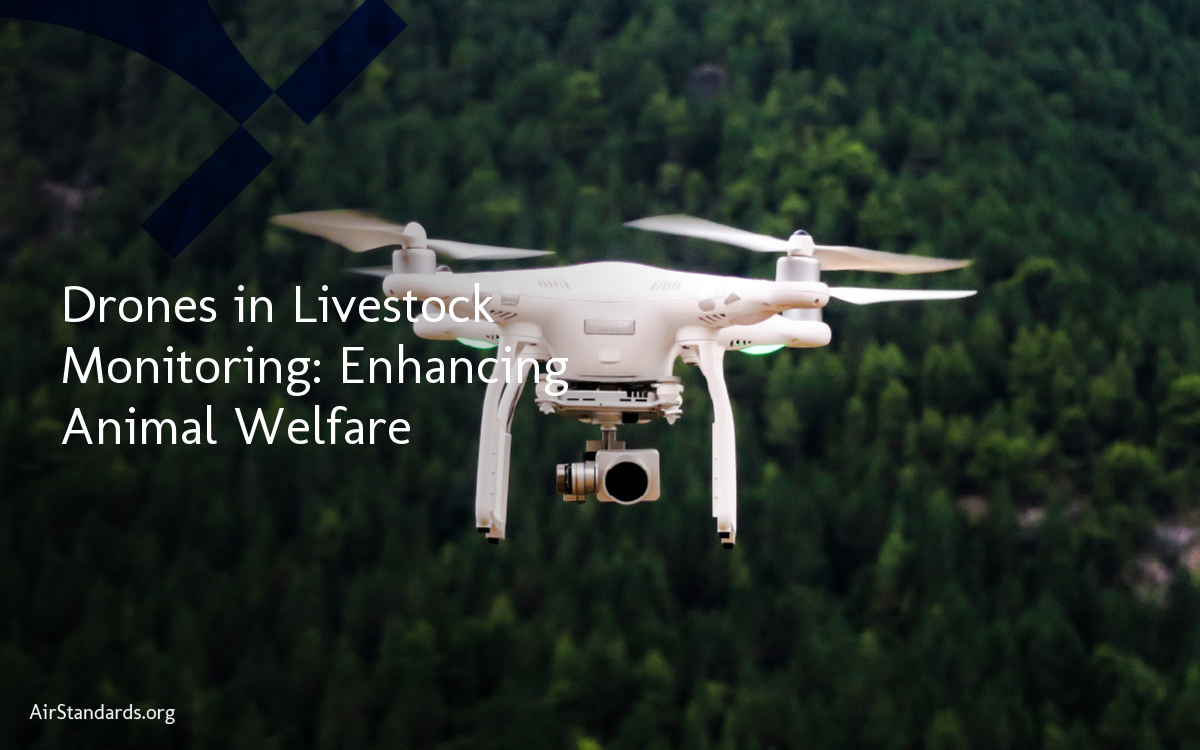
The monitoring of wildlife and other flora has been made possible by implementing drones in this scenario. The habitat and behavior of animals are kept under close watch with the assistance of drones.
Logistics
Several dropshipping businesses are using drone delivery to carry out their orders. The pickup and delivery of parcels with the help of unmanned vehicles is reducing a lot of stress on manpower. Hence, online shoppers can receive their packages quicker than before!
Cons
The cons of drone technology have not been tackled to the fullest extent possible until now. As a result, the repercussions are proving to be serious, with multiple drawbacks. Some of the most evident drawbacks are as follows.
Privacy Threat
One of the main downsides of the usage of drones is the compromise on the privacy factor. Most drones are fitted with imaging capabilities. As a result, they can capture the footage of everything they fly over. Human rights are threatened due to this con.
Risk Factor
When a drone’s movement goes haywire, it poses the threat of colliding with other aircraft, birds or getting entangled with wires. As a result, a lot of risks come into the picture and put the overall credibility of drones to question.
Weapon Transport
A major scandal that is being associated with drones at present is the transportation of weapons through them. Many criminal organizations have begun to use drones to carry weapons from one location to another and escape legal authorities.
Hacking
Jamming the frequencies of devices in their area of operation is another shortcoming of drones. This glitch is then used by anti-social elements to hack into the safety devices and other sensitive instruments in the surroundings.
Legal Ambiguities
The legitimacy of the usage of drones is still hazy in some jurisdictions. The bye-laws that apply to drones are not followed by most operators. As a result, the general rules and regulations associated with drones are not unequivocal.
Long-Term Implications Of Drones
The risks and the outcomes associated with drones are both short-term and long-term. The short-term risks can be tackled and brought under control to the maximum extent possible. However, the long-term implications are riskier. Hence, it is crucial to stay aware of them.
Misuse In Terrorism
Terrorists can misuse drones according to their requirements. Such pilferage will unleash havoc and put the lives of people in great danger. Some of the threats that this situation poses are present below.
Illegal Recording
Several terrorist organizations use drones to attach cameras and to hover over their target regions. The footage and pictures of unsuspecting people are recorded without their consent. This threat is indeed severe and compromises the privacy of one and all.
Weapons Conveyance
Multiple terrorist groups transport their weapons and arms with the help of drones. Since these vehicles are unmanned, they do not face any risks of getting captured by official authorities. As a result, the transfer of illegal ammunition has become very easy.
Aerial Terrorism
Drones are used extensively in performing attacks from aerial locations by several criminal organizations. Both humans and infrastructure are the targets of this type of attack. This is an unconventional form of attack whose scope is undeterminable at present.
Some of the different instances in which this form of terrorism is followed include:
- Hijacking planes with the help of drones
- Bombing other aircraft
- Attacking airports and runways
The main reason why terrorists resort to this form of terrorism is due to the inability of radars to sense drones. Gliders and toy planes are also used by rebel organizations to achieve this purpose.
Drone Attacks
It is a reknown fact that drones are used extensively to carry out drone strikes amidst wars. However, several unassuming people and other severe collateral damage that accompanies this form of attack are highly discouraged by Human Rights enthusiasts.
Data Leakage
A prime concern associated with the operation of drones is the leakage of data. There are multiple outlets through which data can be compromised through the usage of these unmanned vehicles.
Improper Cloud Storage
All the data collected by drones are stored in the cloud with plenty of other such data. However, this information is very vulnerable and prone to data breach attacks. As a result, a lot of sensitive information is in constant danger of getting jeopardized.
The main reasons that are behind this predicament are mentioned below.
- Lack of proper monitoring measures
- Drone hacking is not preventable at present
- Absence of strong countermeasures
- Investment in safety precautions is below par
- Prevailing technological measures are prone to constant malfunctioning
Hacking
A lot of data loss occurs from the drones themselves directly. Hackers sabotage the security measures employed in the drone and steal the data contained in them. Since drones hover over a lot of regions during the duration of the flight, they hold a lot of information.
The absence of proper precautionary measures to encrypt the data magnifies this issue’s intensity. With the advancements in technology, this drawback is bound to flare up even more if not monitored properly.
Corporate Espionage
Drones have been involved in multiple instances of corporate espionage at varying levels. These devices come in handy for stealing data in an unauthorized manner. Ideas, important statistics, business secrets – drones are capable of appropriating all these data
Low Level
Simple corporate espionage can begin from the takeaways of a meeting. Drones can be used to hover near the windows of such rooms and snap pictures or collect vital footage. This thievery of information is highly possible due to the quick navigation of drones.
Although this type of espionage is pretty amateur, its spying can yield anti-social elements a lot of advantages.
High Level
This type of corporate espionage takes place in the format of computer hacking. Drones are fitted with particular software in order to gain access to sensitive data. Even after the drone stops functioning, it will continue to transmit data.
- Raspberry Pi is one such software that is used for this type of data theft.
Negative Impact Of Drones On The Environment
Drones are built with state-of-the-art technology. However, there are a few unaddressed aspects regarding their construction that damage the environment. Similarly, birds are also at a high risk of getting attacked by drones.
Chemical Residue
The construction and operation of drones leave a lot of residues, such as toxic powders and hazardous content. When people are exposed to these chemicals, it causes difficulties in respiration and other skin diseases.
Warehousing Requirements
Drones are more CO2-efficient than other forms of transport. However, the extra warehousing that they require is not environment friendly. This feature increases emissions as well. Therefore, drones increase the existing risks that other transport forms pose.
Depletion Of Non-Renewable Energy Resources
Drones are also known to increase the usage of non-renewable energy sources. Therefore, the viability of drones, in the long run, becomes questionable since these energy sources are already on the verge of expiration.
Disruption Of Habitat
The operation of drones takes place in the living habitat of birds and animals as well. The frequent movement of drones in their living habitat disturbs their living conditions. Since drones travel close to the ground, animals can be disturbed and try to attack the drones.
Collision With Birds
The chances of a drone colliding with birds are always high due to the mode of flight. Birds can feel threatened as a result and behave in an abnormal manner. In case a drone malfunctions, it will put the lives of multiple other creatures at risk.
Noise Pollution
Drones cause a lot of noise pollution when they are operated. It impacts the environment in a negative manner. People living near the takeoff and landing airspace of drone movement will experience severe discomfort as a result.
Different Ways To Tackle With The Harmful Effects Of Drones
Drones are a highly useful model of unmanned transport that cannot be simply eradicated due to its drawbacks. Hence, it is crucial to look for solutions that can help us tackle the negative effects and sidestep them.
Cooperation Between International Bodies
The first and foremost measure that all governing bodies should undertake is working in unison towards drone attacks. Since casualties are common and entirely unplanned, all the involved parties should take moral responsibility and prevent imminent massacres.
Monitoring Of Weaponization
Organizations and individuals can both carry out drone strikes and attacks effectively. Therefore, it is imperative to closely monitor all kinds of drone movements in the airspace and maintain tabs on the owners as well.
Staying under the radar and carrying out drone strikes is easy currently. This factor enables terrorists to escape from the investigation entirely. Hence, a system to closely monitor the activities of the airspace is essential.
Stringent ID Issuing
In order to own and use a drone, the following identification proofs are essential.
- Flyer’s ID
- Operator’s ID
The candidates should pass the tests required to obtain these licenses. Tightening the requirements associated with this issuing will help the Federal Aviation Authority increase the quality of flyers and operators.
Regular Surveillance
The transport of weapons through drones has been prevented through thorough surveillance. The usual pick up and drop-off locations that criminal organizations use should be surveyed properly.
Aerial attacks can also be prevented when the constituents of the drone and its movement are kept under check.
Strict Regulations
Drone strikes can be prevented by keeping them off bounds from dangerous areas like nuclear facilities. This move will bring down the window for damage by a huge margin. Similarly, airports, sports grounds and other aerial events should lay down rigorous rules.
When these terms and conditions are followed to the T, the instances of collisions and other drone accidents will be reduced effectively.
Guidelines For Airports
Airports are one amongst the most common locations that have faced the maximum accidents and casualties due to drones. They can follow the guidelines mentioned below to reduce the chances of accidents and attacks.
Keeping track of hot spots
Hot spots are locations where airplanes frequently come in contact with drones. As a result, the chances for accidents are high here. When airport authorities monitor these locations extensively, they will be able to prevent collisions effectively.
Improve detection facilities
Detecting drones is an ambiguous process even now. Drones are capable of staying under the radar, making it highly difficult to track them. Therefore, it is imperative to devise better detection methods in order to maintain safety at airports.
RFDF Layers
Radiofrequency direction finders play a major role in detecting drones from far distances. They are known to be better than radar and can identify and prevent an incoming collision. Since it is a passive network, it will not hinder the existing security features of the airport.
Important Drone Regulations
An individual or organization who wishes to operate a drone successfully must adhere to the following terms and conditions. When these rules are followed, it helps to maintain concord between different parties and prevent unnecessary chaos.
Type Of Usage
Drones come under different categories. Hence, they can be used for both commercial and recreational purposes. Therefore, it is important to identify your type of drone correctly and register accordingly.
Monetizing your drone usage will require an additional certification called Part 107. You cannot make money out from your drone operations without this regulation.
You can use your footage and pictures from your drones in a legitimate manner through this certification.
Important Operating Rules
It is mandatory to follow the rules mentioned below if you wish to operate your drone without any interference.
- Always fly <400ft; exceeding this will lead to repercussions
- Keep your Flyer and Operator IDs with you during operation and renew them regularly
- Cooperate with the Federal Aviation Authority at all times and seek their permission for flying in unauthorized areas
- Do not fly near airports without appropriate permissions
- Flying near buildings and people requires a lot of caution and proper certification IDs
- Always avoid operating your drone in restricted airspace
- Keep away from emergency situations that could lead to a collision or cause harm to individuals
- Do not disturb the habitat of birds and ensure they are not harmed during flight
- Operating the drone under the influence of prohibited substances will lead to action against you
- The drone should always remain in sight and never go beyond the allowed boundaries
- Do not use unauthorized footage and pictures that your drone might have collected without proper permission
To Wrap It Up
Drones will definitely play a huge role in the functioning of the future and create multiple milestones with their features. However, they do possess a lot of drawbacks that cannot be disregarded.
The harmful effects of drones on man, nature and wildlife have been discussed in detail above. It is vital to be aware of all the problems that could arise from the misuse of drones and other unmanned aerial vehicles.
Hence, following the stipulated guidelines and adhering to them at all times will prevent a lot of unfortunate incidents. They include unintended drone strikes, collisions and habitat loss of wildlife.
The mandatory regulations that one should follow before flying or operating a drone have also been mentioned above to shed more insight.

- SMED Manufacturing: Reduce Changeover Times & Boost Efficiency - January 30, 2026
- Aviation Lifecycle Services: Maximizing Safety, Efficiency, and Compliance Through Digital Strategies - December 1, 2025
- Syringe Pump Automation: Elevating Laboratory Standards - November 3, 2025