We, as advocates of sustainable agriculture, recognize the immense potential of drones in revolutionizing farming practices. Drones have become invaluable tools for farmers and agronomists, empowering us to enhance resource management, trace product origins, and address the impact of climate change. With the rise of precision agriculture practices enabled by drones, we are equipped with accurate data and insights to make informed decisions and optimize farming efficiency.
By utilizing drones, we can monitor crop health, assess soil fertility, detect pests and diseases, and optimize irrigation systems. This level of precision and real-time monitoring enables us to adopt sustainable farming practices that minimize environmental impact and maximize productivity.
Join us as we delve into the benefits, potential, and progress of drones in sustainable agriculture. Together, we can embrace this advanced technology and pave the way for a greener, more efficient future for the agricultural industry.
The Benefits of Using Drones in Agriculture
The use of drones in agriculture offers numerous benefits for farmers and agronomists. These unmanned aerial vehicles provide a bird’s-eye view of crops, allowing for the detection of subtle changes that may not be visible from the ground. With their advanced sensors and high-resolution imaging capabilities, drones can accurately assess crop conditions, such as water stress, fertilizer needs, pest infestations, and diseases. This data enables farmers to make informed decisions and implement precise management strategies, leading to improved crop yields and overall farm productivity.
One of the key advantages of using drones in farming is their contribution to environmental sustainability. Drones minimize environmental damage by reducing the need for excessive pesticide and fertilizer applications. They also help in minimizing nitrate leaking, improving water-use efficiency, and increasing fuel efficiency. By adopting precision farming practices with drones, farmers can optimize resource management, reduce waste, and mitigate the negative impact of agriculture on the environment.
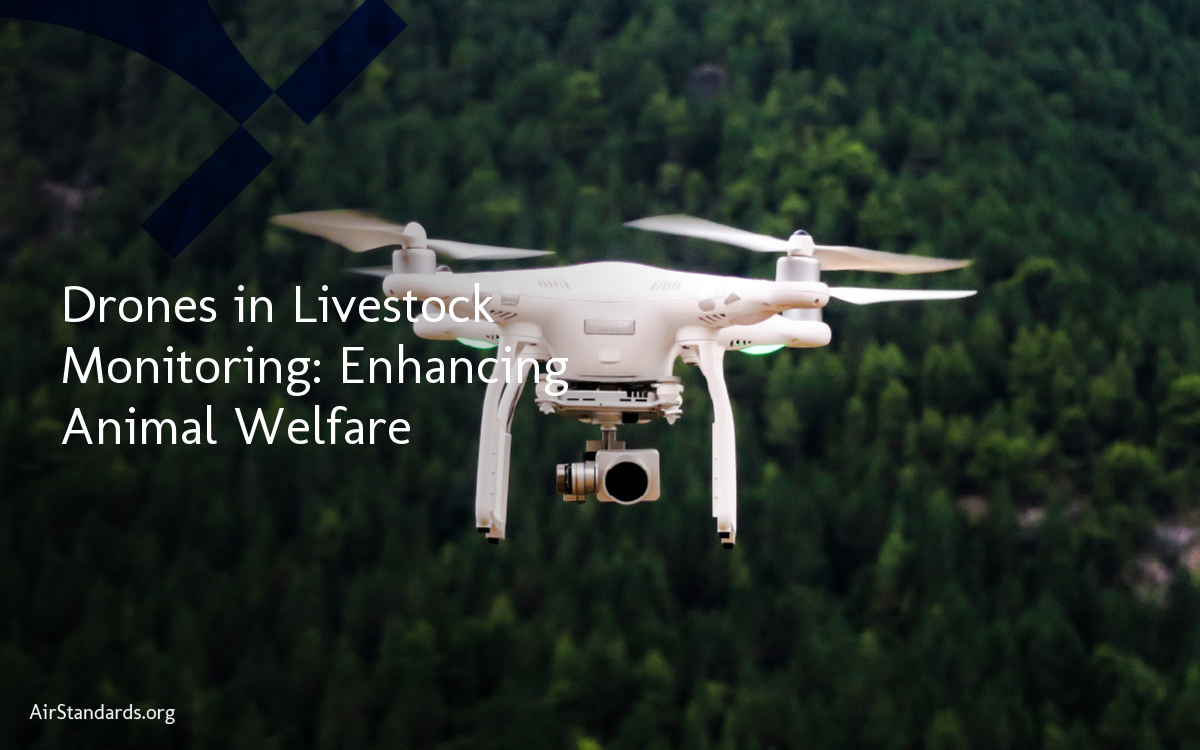
In addition to crop monitoring, drones have diverse applications in agriculture. They can be used for livestock monitoring, mapping of farming assets, and monitoring water quality. Drones equipped with thermal imaging sensors can detect heat signatures in livestock, identifying potential health issues or missing animals. Mapping capabilities help farmers accurately measure fields, monitor crop growth, and plan irrigation and fertilization strategies. Water quality monitoring drones can assess the health of water sources, ensuring sustainable water management in agriculture.
Table: Applications of Drones in Agriculture
| Application | Description |
|---|---|
| Crop Monitoring | Drones provide real-time data on crop conditions, helping in pest detection, disease management, and optimizing irrigation and fertilization. |
| Livestock Monitoring | Thermal imaging sensors on drones help in identifying health issues in livestock and tracking their movement. |
| Mapping and Planning | Drones can accurately map fields, monitor crop growth, and assist in planning irrigation and fertilization strategies. |
| Water Quality Monitoring | Drones equipped with sensors assess the quality of water sources, ensuring sustainable water management in agriculture. |
In conclusion, the use of drones in agriculture brings numerous advantages to farmers and agronomists. They provide valuable insights into crop conditions, improve environmental sustainability, and have diverse applications in livestock monitoring, mapping, and water quality assessment. As drone technology continues to advance, we can expect even greater innovations and applications in the field of sustainable agriculture.
The Potential of Drones in Sustainable Agriculture
As the agriculture industry continues to prioritize sustainable farming practices, the potential of drones in advancing these efforts is increasingly recognized. The drone market in agriculture is projected to reach billions, indicating the industry’s confidence in the technology’s capacity to drive positive change. Drones have the ability to survey large areas quickly and capture high-resolution imagery, providing farmers with precise data for evidence-based decision-making. This streamlined approach enhances farm efficiency and contributes to sustainable practices.
One of the key advantages of drones in agriculture is their ability to offer more accurate and detailed information compared to traditional methods such as ground mapping and satellite imaging. With advanced sensors and imaging capabilities, drones can detect subtle changes in crop conditions, assess water stress levels, identify pests and diseases, and monitor fertilizer needs. This valuable data allows farmers to proactively manage their crops, optimizing resource allocation and minimizing waste.
In addition to crop monitoring, drones have the potential to revolutionize other areas of sustainable agriculture. They can be used for livestock monitoring, mapping farming assets, and assessing water quality. By providing real-time data on livestock health, farmers can improve animal welfare and make informed decisions about breeding and nutrition. Mapping farming assets, such as irrigation systems and infrastructure, enables more efficient resource management and maintenance. Water quality monitoring is essential for sustainable farming practices, and drones can help detect pollution sources and monitor water bodies for contamination.
| Benefit | Explanation |
|---|---|
| Improved Efficiency | Drones enable faster and more accurate data collection, leading to better decision-making and increased farm efficiency. |
| Enhanced Sustainability | By optimizing resource usage and minimizing waste, drones contribute to sustainable farming practices that protect the environment and conserve natural resources. |
| Cost Savings | The use of drones can reduce operational costs by streamlining workflows, identifying issues early on, and preventing unnecessary expenses. |
With the continued advancement of drone technology, the future of drones in agriculture looks promising. Developments in software, sensors, and data management systems are further enhancing the effectiveness and usability of drones in sustainable farming practices. As technology becomes more accessible and affordable, more farmers, especially in developing countries, can leverage the benefits of drones to increase food production, enhance market access, and promote food security.
Innovations in Drone Technology for Agriculture
Ongoing research and development efforts in the field of drone technology for agriculture have led to significant innovations that are revolutionizing sustainable farming practices. These advancements have paved the way for more efficient resource management, improved crop monitoring, and enhanced decision-making processes. Today, drones are equipped with advanced sensors and software that enable them to collect precise data and provide valuable insights for farmers and agronomists.
One of the key innovations in drone technology for agriculture is the development of specialized drone platforms designed specifically for farming applications. These platforms are equipped with features and capabilities that cater to the unique needs of the agriculture industry, such as longer flight times, payload capacity for advanced sensors, and optimized flight paths for efficient field coverage. With these purpose-built platforms, farmers can easily deploy drones to monitor their crops and gather essential information about plant health, soil conditions, and environmental factors.
The Role of Sensors in Crop Monitoring
Sensors play a crucial role in drone technology for agriculture, as they enable precise and accurate crop monitoring. These sensors can capture various data points, such as multispectral imagery, thermal imaging, and LiDAR, which provide detailed information about crop health, water stress, and nutrient levels. By analyzing this data, farmers can make informed decisions about irrigation schedules, fertilization practices, and pest control measures, leading to improved resource utilization and optimized crop yields.
Advancements in precision agriculture have also been made possible through the use of drones. With their ability to capture high-resolution imagery and collect data from large areas of farmland, drones enable farmers to detect crop variations and identify specific areas that require attention. This targeted approach to farming not only reduces costs and minimizes the use of chemicals but also promotes sustainable practices that contribute to the long-term health of the environment.
Table: Drone Platforms and Sensors for Agriculture
| Drone Platform | Key Features |
|---|---|
| DJI Agras MG-1 | High payload capacity, intelligent spraying system, advanced flight control |
| Yamaha RMAX | Heavy lifting capacity, long flight endurance, precise spraying system |
| SenseFly eBee SQ | High-resolution RGB, multispectral and thermal imaging sensors, automated flight planning |
| Parrot Bluegrass Fields | Dual multispectral and RGB sensors, wind and weather resistance, easy data analysis |
As technology continues to advance, we can expect further innovations in drone technology for agriculture. The use of artificial intelligence and machine learning algorithms, for example, holds great potential for automating data analysis and decision-making processes. This would allow farmers to receive real-time insights and recommendations based on the data collected by their drones, further optimizing their farming practices and increasing overall sustainability.
In conclusion, the ongoing progress in drone technology for agriculture is transforming the way we approach sustainable farming practices. With innovations in drone platforms, sensors, and data analysis, farmers can now gather precise information about their crops, make informed decisions, and implement targeted farming practices. As these advancements continue to evolve, we can anticipate even greater efficiency, productivity, and sustainability in the future of agriculture.
The Impact and Future of Drones in Agriculture
Drones have made a significant impact on sustainable agriculture, revolutionizing farming practices and offering immense potential for the future. The adoption of drone technology has led to better decision-making, increased profitability, and enhanced sustainability in the industry.
Through multistate research and collaboration, farmers and natural resource managers have been able to test drones in real-world situations across different states. This collaborative effort has expanded the use of drones in agriculture, allowing for the sharing of knowledge and resources.
The adoption of drone technology in agriculture has been widespread, with farmers recognizing the benefits it brings to their operations. Drones not only aid in crop monitoring and management but also advance plant and animal breeding. This technology has the potential to improve overall profitability and sustainability in farming practices.
As drone technology continues to advance and become more accessible, we can expect to see even greater innovation and application in sustainable farming practices. Drones will play a key role in broadening their applications in farming, including areas such as livestock monitoring, water quality management, and mapping of farming assets.

- SMED Manufacturing: Reduce Changeover Times & Boost Efficiency - January 30, 2026
- Aviation Lifecycle Services: Maximizing Safety, Efficiency, and Compliance Through Digital Strategies - December 1, 2025
- Syringe Pump Automation: Elevating Laboratory Standards - November 3, 2025