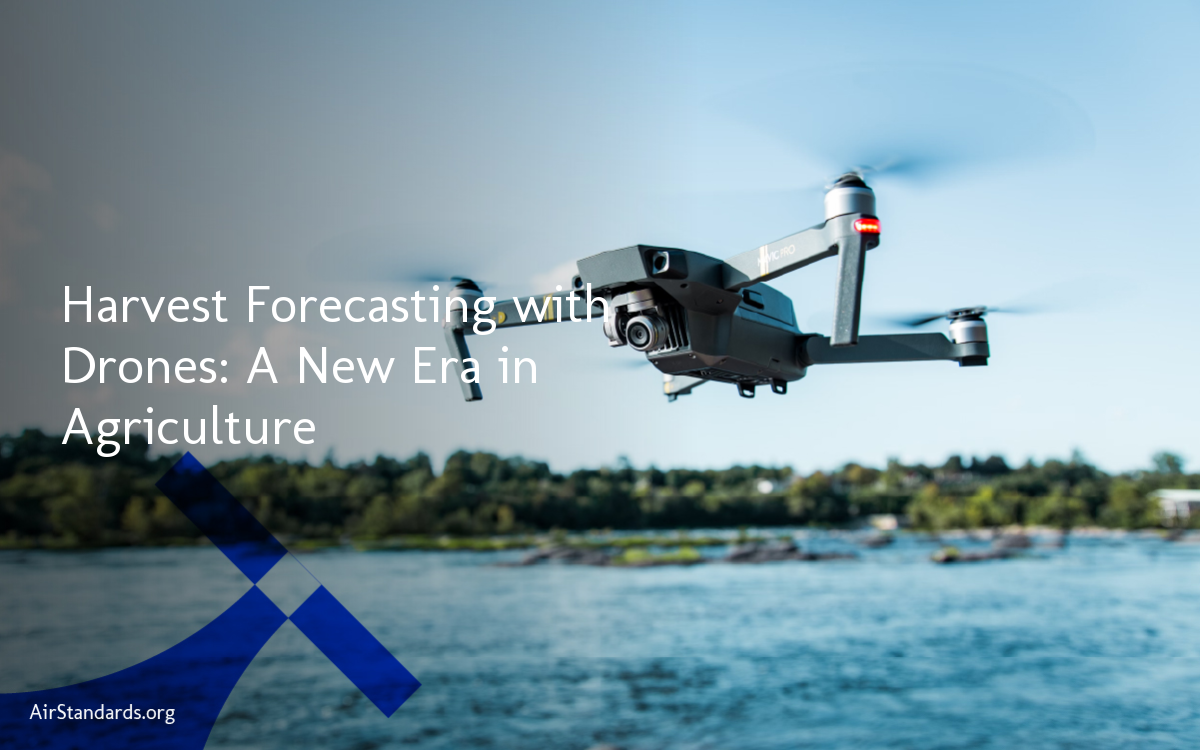
In the ever-evolving world of agriculture, we are witnessing a groundbreaking shift with the emergence of drone technology. Drones equipped with multifunctional cameras and sensors are revolutionizing the way we forecast harvests.
These aerial marvels offer precision crop data collection and targeted intervention, providing real-time monitoring applications and spray delivery methods that benefit growers in numerous ways. With the integration of advanced data analytics techniques, semi-autonomous drone fleets promise a highly optimized, data-driven future for the agricultural industry.
Join us as we delve into the various types of drones used in agriculture, explore the realm of real-time crop monitoring, uncover the power of data collection and analysis, discover the possibilities of targeted applications and treatments, highlight the benefits for farmers, discuss the challenges and concerns faced, and ultimately, explore the exciting potential drones hold for the future of agriculture.
Get ready to soar into the world of harvest forecasting with drones, where innovation meets sustainability, and farming reaches new heights.
Types of Drones Used in Agriculture
When it comes to agriculture, drones offer a range of capabilities that can significantly enhance farming practices. These unmanned aerial vehicles (UAVs) come in different types, each tailored to specific functions and farming needs. Let’s explore the various types of drones commonly used in agriculture.
Fixed-wing drones
One type of drone used in agriculture is the fixed-wing drone. Resembling small aircraft, these drones are designed for longer flight times and are particularly suitable for larger agricultural operations. Fixed-wing drones can cover vast areas efficiently, collecting valuable data for crop mapping and analysis.
Multi-rotor drones
Another type of drone commonly used in agriculture is the multi-rotor drone. These drones feature multiple rotors and offer stability and maneuverability, making them ideal for up-close assessments of crops. Multi-rotor drones can hover at specific locations, capturing high-resolution imagery for detailed crop monitoring and identification of potential issues.
Hybrid drones
Hybrid drones combine features of both fixed-wing and multi-rotor drones, providing versatility for various agricultural applications. These drones can take off vertically like multi-rotor drones and then transition into fixed-wing flight for longer distance coverage. Hybrid drones offer the benefits of both types, allowing farmers to adapt to different farming needs and conditions.
| Type of Drone | Key Features |
|---|---|
| Fixed-wing drones | Long flight times, suitable for large areas |
| Multi-rotor drones | Stability, maneuverability, up-close assessments |
| Hybrid drones | Versatility, adaptability to different farming needs |
Each type of drone has its strengths and can be used in different agricultural scenarios. By leveraging the capabilities of these drones, farmers can gather valuable data, monitor crops effectively, and make data-driven decisions for optimizing their agricultural practices.
Real-Time Crop Monitoring
Drones equipped with high-resolution RGB cameras and multispectral sensors provide valuable aerial views of crop health and development. These drones offer a real-time monitoring capability that enables farmers to make data-driven decisions for optimizing crop management and maximizing yield.
The Benefits of Real-Time Crop Monitoring
- Detection of growth variations: By capturing detailed imagery and data, drones can quickly identify areas of the crop that may be experiencing uneven growth. This allows farmers to address irrigation issues or nutrient deficiencies promptly, ensuring the entire crop receives the necessary care.
- Pest and disease identification: Drones equipped with multispectral sensors can detect early signs of pest damage and disease development. By providing timely information, farmers can take targeted action to prevent further spread and minimize crop losses.
- Optimization of irrigation: Through real-time monitoring, drones can assess the moisture levels in different areas of the field, allowing farmers to optimize irrigation practices and ensure even distribution of water. This helps to conserve water resources and promote sustainable farming.
With the aid of photogrammetry models and time-series imagery, drones offer a comprehensive view of crop health and development. Farmers can analyze this data to gain insights into the overall condition of their crops and make informed decisions to enhance productivity.
| Benefits of Real-Time Crop Monitoring | Application in Agriculture |
|---|---|
| Early detection of crop health issues | Pest and disease control |
| Optimization of irrigation practices | Water resource management |
| Improved decision-making based on data | Precision agriculture |
Data Collection and Analysis
In the realm of agriculture, drones have become valuable tools for data collection and analysis. Equipped with high-resolution RGB cameras and multispectral sensors, these drones offer a unique perspective on crop health and development. By capturing aerial views of the fields, they can detect growth variations, irrigation issues, pest damage, and early-stage diseases. This real-time monitoring capability allows farmers to make data-driven decisions for optimizing crop management and maximizing yield.
Photogrammetry Processing
One of the key analytics techniques used with drone data is photogrammetry processing. This process involves converting the raw images captured by the drones into detailed terrain and crop surface maps. By stitching together multiple images, photogrammetry creates a comprehensive visual representation of the fields. This data can then be used to identify areas of interest, such as crop stress or potential yield variability.
Machine Learning Classifiers
Another important aspect of data analysis in agriculture drones is the use of machine learning classifiers. These algorithms help categorize crop conditions and detect diseases based on the captured imagery. By training the classifiers with a large dataset of labeled images, the drones can autonomously identify and classify different crop traits. This allows farmers to quickly identify areas that need attention and take appropriate measures to address any issues.
| Data Collection Techniques | Data Analysis Methods |
|---|---|
| High-resolution RGB cameras | Photogrammetry processing |
| Multispectral sensors | Machine learning classifiers |
| Aerial imaging | Cloud computing |
| Time-series imagery | Geographic information systems |
Cloud computing also plays a crucial role in data analysis with agricultural drones. The large datasets captured by the drones can be processed and analyzed more efficiently using the power of the cloud. By offloading the computational tasks to remote servers, farmers can quickly generate insights and make informed decisions based on the analyzed data.
Geographic information systems (GIS) provide spatial insights for effective farm management. By overlaying drone data onto geographical maps, farmers can visualize the distribution of crop health or yield variability across their fields. This information can help them identify patterns, make informed decisions about resource allocation, and optimize their farming practices.
Targeted Application and Treatment
Drones have revolutionized agriculture by providing targeted applications and treatments for crop management. With their advanced imaging capabilities and precision spraying systems, drones offer farmers a more efficient and sustainable approach to pest control, weed management, and soil treatment.
Targeted Pesticide Spraying:
Drones equipped with multi-spectral crop imaging technology can accurately identify specific plants that are infected or infested with pests. By precisely targeting these areas, farmers can minimize pesticide usage and reduce environmental impact. The drones can also adjust the spraying parameters, such as droplet size and spray height, based on real-time analysis of the crop’s health and the presence of pests, ensuring effective treatment while minimizing chemical exposure to non-infected plants.
Foliar Treatments and Soil Deficiencies:
Through detailed aerial monitoring, drones can detect nutrient deficiencies in the soil or specific crops. By analyzing the data collected from the drone’s sensors, farmers can determine the exact foliar treatments needed to address these deficiencies. This targeted approach optimizes nutrient delivery, reduces wastage, and promotes healthier crop growth.
Intelligent Weed Control:
Drones equipped with artificial intelligence and terrain mapping technology enable intelligent weed control. By analyzing the topography and weed distribution across the field, the drones can adjust the sprayer’s height and droplet size, ensuring uniform coverage and effective weed management. This targeted approach reduces the reliance on herbicides and minimizes the growth of herbicide-resistant weeds.
| Treatment | Benefits |
|---|---|
| Targeted Pesticide Spraying | – Minimizes pesticide usage and environmental impact – Reduces chemical exposure to non-infected plants |
| Foliar Treatments and Soil Deficiencies | – Optimizes nutrient delivery – Reduces wastage – Promotes healthier crop growth |
| Intelligent Weed Control | – Ensures uniform coverage – Reduces reliance on herbicides – Minimizes herbicide-resistant weeds |
Drone Benefits for Farmers
Drones have become invaluable tools in the agricultural industry, offering numerous benefits to farmers. From reducing operating costs to optimizing interventions and boosting yields, drones have the potential to revolutionize farming practices and increase profitability.
Improved Efficiency
One of the key advantages of using drones in agriculture is the significant reduction in operating costs compared to manned aircraft. Drones are highly cost-effective, allowing farmers to gather high-resolution imagery and collect data on crop health and development without the need for expensive aerial surveys.
With real-time monitoring capabilities, farmers can make data-driven decisions to optimize their crop management strategies. Drones equipped with advanced imaging technology can detect variations in crop growth, identify irrigation issues, and even detect early-stage diseases. This enables farmers to take timely actions, such as adjusting irrigation levels or applying targeted treatments, to maximize crop yield.
Enhanced Safety and Sustainability
Using drones in agriculture also improves safety by reducing human field exposure to chemicals and terrain risks. Farmers no longer need to physically enter potentially hazardous areas to assess crop conditions or apply treatments. Instead, drones can navigate these environments, providing a safer alternative for data collection and intervention applications.
Furthermore, drones offer a more sustainable approach to agriculture. By utilizing high-resolution imagery, farmers can apply targeted spraying techniques, minimizing the use of pesticides and reducing environmental impact. Drones also play a crucial role in optimizing fertilizer application, ensuring that nutrients are delivered precisely where they are needed, reducing waste and increasing overall sustainability.
| Benefits of Drones in Agriculture | |
|---|---|
| Reduced operating costs | Improved efficiency |
| Real-time monitoring | Enhanced safety |
| Targeted spraying | Sustainable practices |
| Optimized interventions |
Challenges and Concerns
As drones continue to make their mark in agriculture, there are certain challenges and concerns that need to be addressed to ensure their successful integration. These challenges encompass various aspects of drone technology, regulations, and farmer education.
1. Adaptability to Outdoor Environments
Drones need continuous improvements in automation, durability, cybersecurity, and weatherproofing to function effectively in unstructured outdoor environments. They must be able to withstand harsh weather conditions and navigate through rugged terrains. By addressing these challenges, drones can become more reliable tools for farmers in their day-to-day operations.
2. Data Management and Reporting
The immense amount of data collected by drones can be overwhelming for farmers if not properly managed and reported. Simplified and user-friendly data reporting systems tailored to grower needs are essential to avoid information overload and enable farmers to extract meaningful insights from the collected data. User-friendly interfaces and clear data visualization techniques can help farmers make informed decisions about their crops.
3. Regulations and Education
Clear regulations are necessary for drone crop spraying to ensure compliance with safety standards and environmental regulations. Additionally, there is a need for comprehensive education and training programs for farmers to understand the best practices in using drones in agriculture. By providing adequate training and guidance, farmers can make the most of drone technology while minimizing any associated risks.
4. Upfront Costs
The upfront costs of adopting drone technology can be a challenge for smaller farms with tight profit margins. However, cost-sharing programs and contractor services can help alleviate this concern and make drones more accessible to farmers of all scales. As the technology advances, the overall cost of drones is expected to decrease, making them a more viable option for farmers.
| Challenges and Concerns in Drones in Agriculture |
|---|
| Adaptability to Outdoor Environments |
| Data Management and Reporting |
| Regulations and Education |
| Upfront Costs |
Conclusion
In conclusion, drones in agriculture have the potential to revolutionize the industry by providing data-driven precision and optimizing farming practices. With their expanded capabilities in crop monitoring, targeted treatments, and automation, drones offer significant benefits to farmers.
By harnessing the power of aerial robotics and data analytics technologies, we can enhance sustainable agriculture and ensure optimized yields. However, it is crucial to consider the needs and perspectives of farmers in the development and integration of these technologies.
While challenges and concerns exist, such as adapting to unstructured outdoor environments and addressing regulatory issues, continuous improvement and smart integration can overcome these obstacles. With the right approach, drones can usher in a new era of efficient, sustainable, and profitable farming practices.

- SMED Manufacturing: Reduce Changeover Times & Boost Efficiency - January 30, 2026
- Aviation Lifecycle Services: Maximizing Safety, Efficiency, and Compliance Through Digital Strategies - December 1, 2025
- Syringe Pump Automation: Elevating Laboratory Standards - November 3, 2025