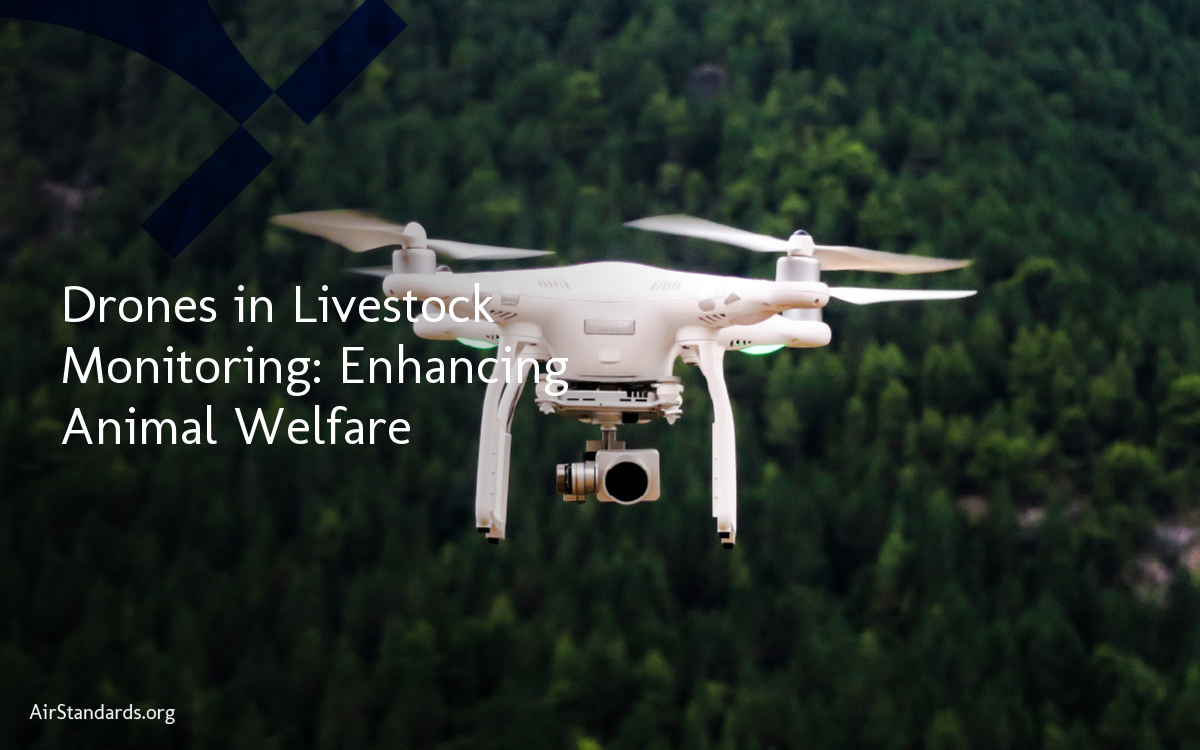
As we look ahead to the future of agriculture, drones are emerging as a game-changing technology with immense potential. These unmanned aerial vehicles (UAVs) are set to revolutionize the way we address the pressing challenges of food insecurity and sustainability.
With their ability to act as mechanical pollinators, incorporate smart applications, and provide a range of benefits for precision farming, monitoring and sensing practices, crop health maintenance, and agricultural investigations, drones offer promising and affordable solutions.
Although there are hurdles to overcome, such as public perception and regulations, the future prospects for drone technology in agriculture are incredibly bright. Experts predict that the market value will reach billions of dollars in the coming years, paving the way for a more efficient and sustainable agricultural landscape.
The Emergence of Smart Technology in Contemporary Agriculture
Smart technology has become an integral part of modern agriculture, revolutionizing the way farmers approach crop management and increasing crop yield while reducing operative expenditure. One of the key advancements in smart technology for agriculture is the integration of drones, also known as Unmanned Aerial Vehicles (UAVs). These versatile devices have gained popularity due to their numerous applications in the agricultural sector.
With the development of open-source technologies, smart sensors, and longer flight times, drones have become invaluable tools for monitoring and observing crops, protecting them from pests and diseases, and conducting agricultural investigations. Drones equipped with high-resolution cameras and advanced AI technology can provide real-time data on crop health, identify problematic areas, and even act as mechanical pollinators. This level of precision and efficiency helps farmers optimize their farming practices and make informed decisions, ultimately leading to improved crop yield and quality.
Moreover, the use of drones in agriculture contributes to economic and ecological benefits. By utilizing drone technology, farmers can reduce the use of chemical inputs, such as pesticides and fertilizers, as drones allow for targeted applications, minimizing waste and environmental impact. Additionally, drones enable farmers to cover large areas of land more efficiently and cost-effectively, saving both time and resources.
| Benefits of Smart Technology in Agriculture |
|---|
| Increased crop yield |
| Reduced operative expenditure |
| Optimized use of resources |
| Improved crop health management |
Smart Technology: Enhancing Efficiency in Agriculture
The emergence of smart technology, particularly in the form of drones, is transforming the agricultural landscape by offering new possibilities for precision farming and sustainable practices. As the technology continues to advance and become more accessible, we can expect to see even greater innovation in the way drones are utilized in agriculture. With the potential to address pressing challenges such as food security, climate change adaptation, and operational efficiency, drones hold immense promise for the future of agriculture.
The Diverse Applications of Drone Technology in Agriculture
Drones have revolutionized the agricultural industry with their diverse range of applications. They are widely utilized for precision farming, monitoring and sensing practices, crop health maintenance, and even mechanical pollination. Let’s explore these commercial agricultural applications in detail.
Precision Farming:
One of the key uses of drones in agriculture is precision farming. Drones allow farmers to monitor and analyze vast areas of farmland quickly and efficiently. Equipped with smart sensors, drones can collect data on crop growth and health, soil conditions, and other factors that affect agricultural productivity. This information enables farmers to make informed decisions about irrigation, fertilization, and crop protection, resulting in optimized resource usage and increased yields.
Monitoring and Sensing:
Drones play a crucial role in monitoring and sensing practices in agriculture. By capturing aerial images and using advanced sensors, drones can detect problematic areas in crops and soil. They provide valuable insights into the distribution of pests, diseases, and weeds, allowing farmers to take targeted action. With real-time data, farmers can identify issues early, make timely interventions, and prevent potential crop losses. Drone monitoring and sensing technology significantly improves farm management and reduces the reliance on manual labor.
Crop Health Maintenance and Mechanical Pollination:
Drone technology contributes to crop health maintenance in multiple ways. Drones equipped with automated systems can water crops, disperse fertilizers, and apply pesticides precisely and efficiently. This targeted approach minimizes the use of resources and reduces environmental impact. Additionally, drones have the potential to act as mechanical pollinators, addressing the decline of natural pollinators like bees. They can be programmed to simulate the pollination process, ensuring the continued productivity of crops.
In summary, drones have diverse applications in agriculture, ranging from precision farming and monitoring to crop health maintenance and mechanical pollination. These commercial agricultural applications enhance efficiency, reduce resource usage, and contribute to sustainable farming practices.
Current Limitations and Implications for Drone Technology in Agriculture
While the potential for drone technology in agriculture is undeniable, there are several hurdles that need to be overcome for widespread adoption. One of the major challenges is public perception. Many people still associate drones with military applications and have concerns about privacy and safety. Overcoming this perception and building trust in the technology will be crucial for its acceptance in the agricultural community.
Another obstacle is the lack of standardized regulations governing the use of drones in agriculture. Different countries and regions have varying rules and restrictions, making it difficult for farmers to navigate the legal landscape. Clear and consistent regulations need to be established to ensure the safe and responsible use of drones in agriculture.
Despite these limitations, researchers believe that drones have the potential to revolutionize agricultural practices and have a significant economic impact. According to a report by PwC, the global market value of drone-powered solutions in agriculture is estimated to reach $32.4 billion by 2036. The use of drones can lead to increased crop yields, reduced operational costs, and more sustainable farming practices.
Table: Potential Economic Value of Drone Technology in Agriculture
| Area | Potential Economic Value |
|---|---|
| Precision Farming | $8.4 billion |
| Crop Spraying | $3.7 billion |
| Aerial Imaging | $3.3 billion |
| Livestock Monitoring | $2.4 billion |
| Mapping and Surveying | $2.2 billion |
As technology continues to advance, drones are expected to become more accurate, efficient, and cost-effective. Improved battery life, better sensors, and advanced AI algorithms will further enhance their capabilities. With continued research and development, drones have the potential to transform agriculture and address some of the pressing challenges faced by the industry.
The Rise of Drone Spraying in Agriculture
Drones have revolutionized the way we approach aerial applications in agriculture. With their precise capabilities, they are transforming the way we manage pests, weeds, and nutrient deficiencies in crops. Drone spraying offers many advantages over conventional spraying methods, including reduced environmental impacts and improved efficiency.
Enhanced Precision and Accuracy
One of the key benefits of drone spraying is its ability to provide precise and targeted applications. Drones equipped with high-resolution cameras and advanced AI technology can accurately identify specific areas in the field that require treatment. This targeted approach minimizes the use of pesticides and ensures that only the necessary areas are treated, reducing the environmental footprint and potential harm to non-target organisms.
Cost Savings and Increased Productivity
Drone spraying also offers cost savings and increased productivity for farmers. By covering vast fields in a short amount of time, drones eliminate the need for manual labor, saving both time and money. This technology allows farmers to optimize their operations, respond quickly to crop issues, and make timely management decisions, ultimately improving their bottom line.
| Advantages of Drone Spraying in Agriculture | Traditional Spraying Methods |
|---|---|
| Reduced environmental impacts | Higher risk of pesticide drift |
| Precision and targeted applications | Blanket spraying, leading to unnecessary use of chemicals |
| Cost savings and increased productivity | Higher labor costs and longer application times |
Overall, drone spraying is revolutionizing the way we approach aerial applications in agriculture. Its precise and targeted approach, along with cost savings and increased efficiency, makes it an attractive option for farmers looking to improve their farm management practices. As technology continues to advance, we can expect further enhancements in drone capabilities and increased adoption throughout the agricultural industry.
The Potential of Drone Monitoring in Agriculture
Drone monitoring in agriculture is revolutionizing farm management by providing detailed aerial imaging of growing crops. With the ability to capture sub-millimeter resolution images, drones offer valuable insights throughout the entire growing season. These high-resolution images allow farmers to track the development of their crops, identify potential issues such as pests, weeds, and nutrient deficiencies, and make informed farm management decisions.
The benefits of drone monitoring extend beyond mere observation. Farmers can use the collected data to document the progress of their farms, learn from mistakes, and benchmark their performance against other farms. This technology enhances the efficiency and effectiveness of crop monitoring and scouting, ultimately saving farmers both time and resources.
By leveraging drone monitoring, farmers gain a comprehensive understanding of their fields and can address crop health concerns promptly. With the ability to identify problematic areas early on, farmers can implement targeted interventions, such as precision spraying or nutrient adjustments, to optimize crop health and maximize yields. The real-time insights provided by drone monitoring empower farmers to make data-driven decisions, enabling them to achieve better farm management outcomes.
The Potential Benefits of Drone Monitoring in Agriculture:
- Accurate and detailed aerial imaging of crops
- Early detection of pests, weeds, and nutrient deficiencies
- Informed farm management decisions based on data-driven insights
- Improved efficiency and effectiveness of crop monitoring and scouting
- Optimization of crop health and yield through targeted interventions
- Cost and resource savings for farmers
| Benefits | Implications |
|---|---|
| Accurate and detailed aerial imaging | Enables precise identification of crop health issues |
| Early detection of pests, weeds, and nutrient deficiencies | Allows prompt intervention to prevent crop damage |
| Informed farm management decisions | Optimizes crop health and maximizes yield |
| Improved efficiency and effectiveness of crop monitoring and scouting | Saves time and resources for farmers |
The Role of Drones in Weed Control
Drones are proving to be effective tools in weed control, particularly in fields with isolated patches of weeds. By utilizing high-resolution cameras and advanced AI technology, drones can accurately identify and target weeds, reducing the need for blanket herbicide applications. This targeted approach not only minimizes herbicide use but also saves costs for farmers while increasing overall yields.
One of the key advantages of using drones in weed control is their ability to accurately identify weeds. Equipped with high-resolution cameras, drones can capture detailed images of the field, allowing for precise weed identification. This helps farmers in implementing targeted control measures, ensuring that only the areas with weeds are treated, while leaving the rest of the crops unaffected.
Precision spraying is another notable benefit of using drones in weed control. Drones can be equipped with sprayers that deliver herbicides directly to the targeted weeds, minimizing drift and reducing the risk of herbicide damage to the surrounding crops. This not only improves the effectiveness of weed control but also reduces the amount of herbicide needed, resulting in cost savings for farmers.
The Economic Benefits of Drone Technology in Weed Control
The economic benefits of using drones in weed control are significant. By accurately identifying and targeting weeds, farmers can reduce the amount of herbicides used, resulting in direct cost savings. Additionally, the precise application of herbicides minimizes the risk of crop damage, further contributing to cost savings. With drones, farmers can optimize their weed control strategies, improving crop health and maximizing yields.
| Weed Control Method | Economic Benefits |
|---|---|
| Traditional Blanket Herbicide Application | Higher herbicide costs, potential crop damage |
| Precision Spraying with Drones | Reduced herbicide use, minimized crop damage, cost savings |
In addition to cost savings, using drones in weed control can also lead to improved farm productivity. By targeting and eliminating weeds more effectively, farmers can create a healthier growing environment for their crops, allowing them to reach their full growth potential. This can result in increased yields and better profitability for farmers.
Overall, drones offer a more efficient and economical solution to weed management in agriculture. Their ability to accurately identify and target weeds, combined with precision spraying capabilities, leads to reduced herbicide use, cost savings, and improved crop health. As technology continues to advance, the role of drones in weed control is likely to expand, providing farmers with even more effective and sustainable tools for managing weeds.
The Path Forward for Drone Technology in Agriculture
The future of agriculture is being shaped by advancements in drone technology. Drones offer a path to increased efficiency, particularly in addressing the labor shortage that many farmers face. With drones, tasks that were once time-consuming and labor-intensive, such as crop monitoring, can now be done more efficiently and accurately, saving farmers both time and money.
Furthermore, drones have the potential to play a significant role in climate change adaptation. With the ability to monitor crops and gather data on climate conditions, drones can help farmers make informed decisions about irrigation, fertilization, and pest control. This can lead to more sustainable farming practices, reducing water and chemical usage while maximizing crop yields.
While the future prospects of drone technology in agriculture are promising, there are still challenges to overcome. One of the main challenges is ensuring adequate regulations that balance safety and innovation. Additionally, there is a need to address cybersecurity concerns to ensure that data collected by drones remains secure. Bridging the digital divide is also crucial, as not all farmers have access to the necessary technology and infrastructure.
Despite these challenges, the future of drone technology in agriculture looks bright. As the cost of drones continues to decrease and their capabilities continue to improve, more and more farmers are adopting this innovative solution. Drones have the potential to revolutionize farming practices, allowing us to meet the global demand for food while adapting to a changing climate. With efficiency, labor shortage, climate change adaptation, and tackling challenges at the forefront, the future prospects for drone technology in agriculture are exciting and full of possibilities.

- SMED Manufacturing: Reduce Changeover Times & Boost Efficiency - January 30, 2026
- Aviation Lifecycle Services: Maximizing Safety, Efficiency, and Compliance Through Digital Strategies - December 1, 2025
- Syringe Pump Automation: Elevating Laboratory Standards - November 3, 2025