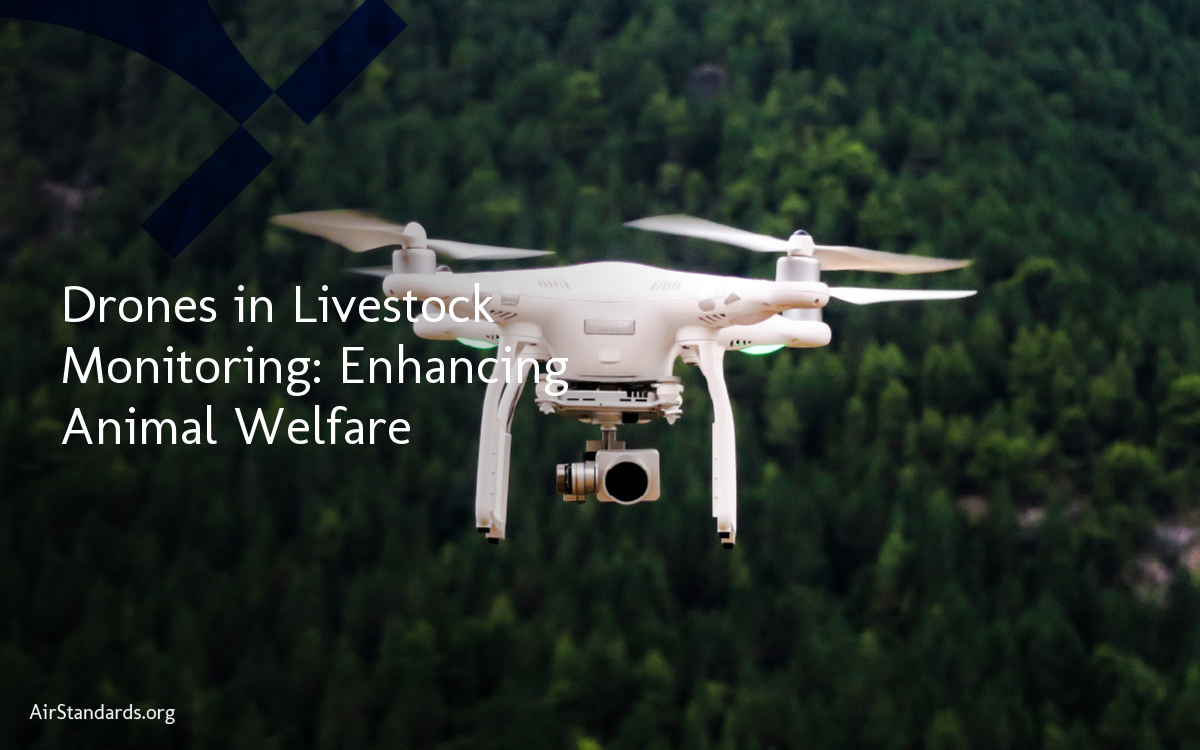
When it comes to livestock monitoring, drones are revolutionizing the way farmers track and care for their animals. With the ability to remotely monitor and track farm animals, drones provide a valuable tool for enhancing animal welfare. Livestock tracking is made easier than ever, allowing farmers to keep a close eye on their animals’ well-being, calving seasons, and grazing patterns.
But the benefits of using drones in livestock management go beyond just animal welfare. Drones offer time-efficient and cost-effective mustering, allowing farmers to save time and effort in gathering their livestock. Additionally, drones provide enhanced livestock security, with discreet tags that are difficult to detect and remove, making it easier to locate stolen animals and aid in natural disaster recovery efforts.
Real-time and offline animal location tracking is another significant advantage of using drones in livestock monitoring. This technology saves farmers time, effort, and money by providing accurate and up-to-date information on the whereabouts of their animals.
Overall, drones in livestock monitoring are transforming the way farmers care for their animals, improving welfare, efficiency, and farm animal security.
The Benefits of Using Drones for Livestock Monitoring
Drones offer several benefits for livestock monitoring. They provide efficient and remote monitoring of livestock, eliminating the need for manual inspections on foot or by vehicle. Drones can quickly identify issues such as animals straying from the herd, signs of distress, or potential predators, saving time and effort compared to traditional methods. They also enable health assessments through thermal imaging cameras that can detect variations in body temperature, allowing for early detection of sick or injured animals.
Drones provide valuable data for improved pasture management, identifying areas of overgrazing, erosion, or weed infestations. Additionally, they facilitate enhanced breeding programs by monitoring livestock behavior and helping farmers choose the best breeding partners. Drones also streamline counting and inventory management, providing accurate counts of livestock for financial planning and regulatory compliance. Lastly, drones play a crucial role in disaster preparedness and response, providing real-time information to locate and assess livestock during emergencies.
With their ability to enhance farm efficiency and improve animal welfare, drones are revolutionizing livestock monitoring. From remote tracking and health assessments to pasture management and disaster response, drones offer significant advantages for farmers. By utilizing this technology, farmers can optimize their operations, save time and resources, and ensure the well-being of their livestock.
Choosing the Right Drones for Livestock Monitoring
When it comes to selecting the right drones for livestock monitoring, there are several factors that farmers should consider. These factors include flight time, camera capabilities, transmission range, and additional features such as thermal imaging and obstacle avoidance. In order to help farmers make an informed decision, we have identified some of the top drones available in the market for livestock management.
The DJI Mavic 3 Thermal
The DJI Mavic 3 Thermal is a lightweight and portable option that offers precise surveys with its thermal camera. This drone is ideal for farmers who need to monitor their herds even at night. The thermal imaging capability allows for the detection of variations in body temperature, which can indicate potential health issues in the animals.
The DSLRPros EVO II 640T Livestock Management Package
For those looking for a comprehensive solution, the DSLRPros EVO II 640T Livestock Management Package is a great choice. This drone comes equipped with dual visual and thermal cameras, providing farmers with a versatile tool for monitoring their animals on farmland.
The DJI Matrice 350 RTK Drone Combo
For large-scale agricultural operations, the DJI Matrice 350 RTK Drone Combo offers advanced features and capabilities. With a long flight time, advanced sensors, and multi-payload support, this drone is capable of handling the demands of large livestock farms.
The DSLRPros Matrice 350 RTK Agriculture Package
For high-end livestock management, the DSLRPros Matrice 350 RTK Agriculture Package is an excellent option. This package includes the MicaSense Altum payload, which enables comprehensive inspections and plant health analysis. With this drone, farmers can gather valuable data for improved livestock management and pasture health.
Ultimately, the choice of drone will depend on the specific needs and requirements of the farm. Whether it’s the need for thermal imaging, advanced payload support, or comprehensive health analysis, there are drones available in the market to meet the diverse needs of livestock monitoring.
The Role of Drones in Livestock Tracking
Drones play a crucial role in livestock tracking, providing a remote and efficient method for monitoring animal movements. Equipped with cameras, thermal imaging capabilities, sensors, and GPS navigation systems, drones can track and locate individual animals or herds. Downward-facing cameras capture motion and orientation, thermal infrared imaging cameras track location even in low light or dense vegetation, and GPS sensors pinpoint precise locations with GPS-fitted collars on animals. Livestock identification systems and facial recognition technology can also be used to monitor individual animals. Overall, drones enable comprehensive livestock tracking and monitoring, including assessing pasture utilization, analyzing livestock behavior, and planning grazing distribution.
Enhancing Livestock Management Efficiency
Livestock tracking with drones significantly enhances the efficiency of livestock management. Farmers can monitor animal movements and behaviors from a remote location, reducing the need for manual inspections on foot or by vehicle. This not only saves time and effort but also minimizes stress on the animals. Drones equipped with thermal imaging cameras can detect variations in body temperature, enabling early detection and treatment of sick or injured animals. By tracking livestock behavior, farmers can gain insights into grazing patterns, social interactions, and stress levels, allowing them to make informed decisions for optimal livestock management.
Improving Animal Welfare
The use of drones in livestock tracking contributes to the improvement of animal welfare. Farmers can promptly locate and rescue animals that may be lost or trapped in hazardous areas, enhancing their safety and well-being. Drones enable real-time monitoring of livestock, ensuring that they have access to adequate food, water, and shelter. Additionally, drones assist in identifying and mitigating risks posed by predators, diseases, or adverse environmental conditions, thereby safeguarding the health and security of the animals. By providing continuous tracking and monitoring, drones help to ensure that livestock receive the care and attention they need for optimal welfare.
Enhancing Environmental Sustainability
Livestock tracking with drones also contributes to environmental sustainability in the agricultural sector. By accurately assessing pasture utilization and livestock distribution, farmers can implement rotational grazing practices that promote soil health and prevent overgrazing. This approach helps to maintain biodiversity, prevent soil erosion, and reduce the environmental impact of livestock farming. Furthermore, by monitoring the behavior and movements of livestock, farmers can optimize resource utilization, such as water and feed, leading to more efficient and sustainable practices. The use of drones in livestock tracking aligns with the goals of precision agriculture, enabling farmers to make data-driven decisions that minimize waste and maximize sustainability.
| Advantages of Drones in Livestock Tracking | Benefits |
|---|---|
| Efficient monitoring | Saves time and effort by eliminating the need for manual inspections |
| Early detection of health issues | Thermal imaging cameras allow for early detection and treatment of sick or injured animals |
| Precise location tracking | GPS navigation systems and livestock identification systems provide accurate location data |
| Improved animal welfare | Real-time monitoring ensures access to food, water, and shelter, and enhances overall safety and well-being |
| Environmental sustainability | Optimizes resource utilization and promotes sustainable farming practices |
Drones for Livestock Health Monitoring
Drones are revolutionizing the way farmers monitor the health of their livestock. With advanced imaging technology and data gathering capabilities, drones provide valuable insights into the well-being of animals. Livestock health monitoring using drones enables early disease detection, vital information gathering, and comprehensive health assessments.
Early Disease Detection
One of the key benefits of using drones for livestock health monitoring is the early detection of diseases. Drones equipped with visual and thermal imaging cameras can identify symptoms of diseases such as Bovine Viral Diarrhea (BVD) in cattle or intestinal parasites in sheep. By capturing visual imagery and analyzing thermal patterns, drones can help farmers identify sick or injured animals early, allowing for prompt treatment and prevention of further spread.
Vital Information Gathering
In addition to disease detection, drones are capable of gathering vital information about livestock. With sensors and artificial intelligence, drones can measure important parameters like weight, size, and physical activity. This data provides farmers with comprehensive health assessments, enabling them to make informed decisions about breeding, feeding, and overall herd management.
Comprehensive Health Assessments
By combining the data gathered from disease detection and vital information gathering, drones offer farmers the ability to conduct comprehensive health assessments of their livestock. These assessments provide a holistic view of the animals’ well-being, allowing for proactive measures to improve their health and welfare. Drones play a crucial role in promoting animal welfare and ensuring the overall health of livestock.
| Drones for Livestock Health Monitoring | Benefits |
|---|---|
| Early Disease Detection | Allows for prompt treatment and prevention of further spread |
| Vital Information Gathering | Provides comprehensive health assessments for informed decision-making |
| Comprehensive Health Assessments | Ensures the overall health and welfare of livestock |
Using Drones for Herding Livestock
Drones have revolutionized the way we manage and handle livestock, offering a more efficient and safer alternative to traditional herding methods. With drone herding, farmers can effectively manage their livestock while ensuring the safety of both the animals and the farm dogs.
By utilizing drones equipped with programmable sound systems, farmers can mimic the sounds of dogs, guiding the livestock in the desired direction. This eliminates the need for farm dogs to physically interact with the animals, reducing the risk of accidents or injuries. Additionally, drones are capable of covering large areas of land quickly, making the herding process faster and more time-efficient.
Efficient livestock management is crucial for farm productivity, and drones play a vital role in achieving this goal. With their ability to navigate varied terrains and monitor livestock movements from above, drones provide valuable insights into herd behavior, allowing farmers to make informed decisions and optimize their farming practices.
Benefits of Using Drones for Herding Livestock
- Improved safety for both livestock and farm dogs
- Faster and more efficient herding process
- Reduced labor and physical exertion for farmers
- Comprehensive monitoring of herd behavior and movement
- Precise data collection for informed decision-making
| Drone Model | Key Features |
|---|---|
| DJI Mavic 2 Enterprise | – Programmable sound system – Lightweight and portable – Long flight time |
| Yuneec Typhoon H Pro | – Obstacle avoidance technology – 360-degree rotating camera – Advanced flight modes |
| Autel Robotics Evo II | – High-resolution camera – Long-range transmission – Dual GPS and GLONASS positioning |
The Future of Livestock Management: Drones in Agriculture
We are witnessing a significant transformation in livestock management as drones and other advanced technologies continue to revolutionize the agricultural industry. Precision Livestock Farming (PLF) is at the forefront of this evolution, enabling continuous and real-time monitoring of individual animals’ health, welfare, production, and environmental impact. Drones play a pivotal role in the broader agri-tech movement, providing farmers with precise data to make informed decisions and enhance operational efficiency.
As the adoption of drone technology in agriculture continues to grow, the market for agricultural UAVs is poised to reach unprecedented figures. With the integration of drones, farmers can optimize resource utilization, promote sustainable farming practices, and achieve higher levels of precision in livestock management. These technological advancements not only streamline processes but also contribute to the overall well-being of the animals, ensuring their welfare and health.
By embracing drones in livestock management, farmers can leverage the power of aerial data collection to monitor various aspects such as grazing patterns, breeding behavior, and animal health. This level of insight enables proactive intervention, early detection of issues, and preventive measures to mitigate risks. Moreover, drones offer a time-efficient and cost-effective solution compared to traditional monitoring methods, saving farmers valuable time, effort, and money.
Looking ahead, the future of livestock management lies in the continued integration of drone technology and other innovative solutions. With ongoing advancements in artificial intelligence, sensor technology, and data analytics, the potential for further improvements in farm efficiency and animal welfare is immense. As we embrace the era of drones in agriculture, it is clear that these technological advancements will shape the future of livestock farming, ensuring sustainable practices and optimal productivity.

- SMED Manufacturing: Reduce Changeover Times & Boost Efficiency - January 30, 2026
- Aviation Lifecycle Services: Maximizing Safety, Efficiency, and Compliance Through Digital Strategies - December 1, 2025
- Syringe Pump Automation: Elevating Laboratory Standards - November 3, 2025