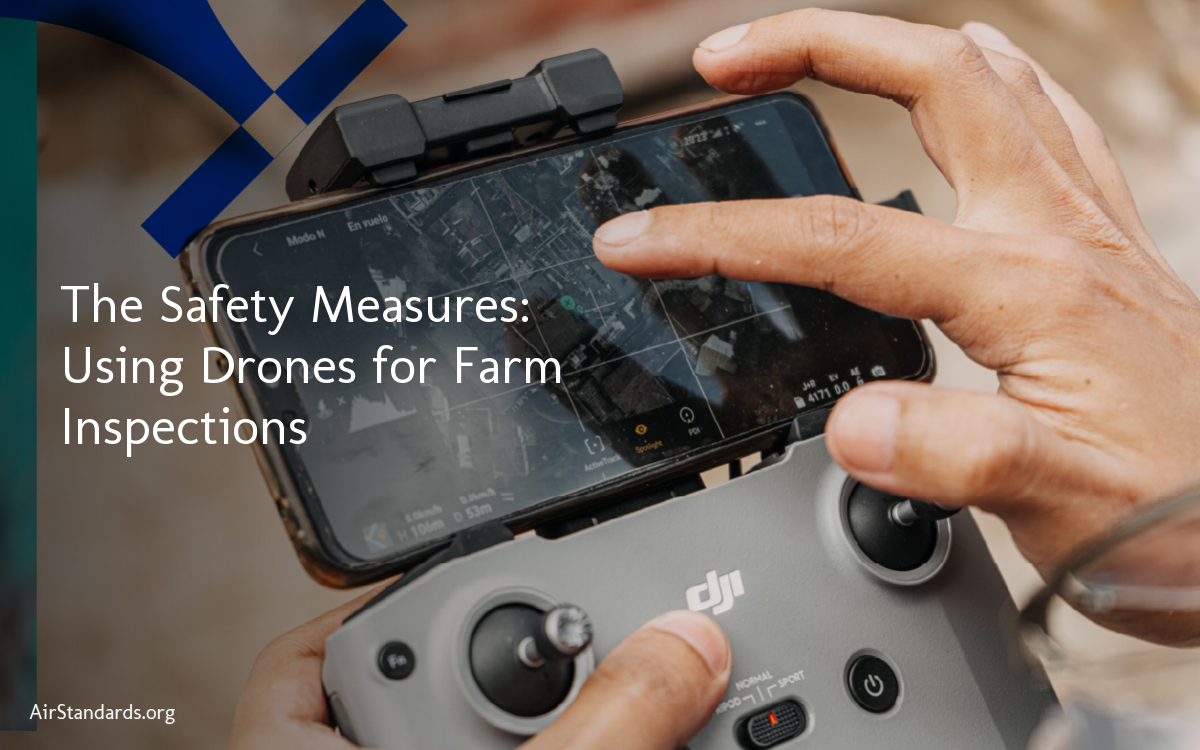
At our farm, we understand the importance of safety measures when it comes to inspecting our assets. That’s why we have embraced the use of drones for our farm inspections. The use of drones allows us to avoid potentially dangerous situations and gather inspection data more efficiently. In this article, we will explore the benefits and importance of using drones for farm inspections, as well as highlight some of the best drone models for this purpose.
The Benefits of Drone Inspections for Farm Security
One of the primary benefits of using drones for farm inspections is improved farm security. Drones offer a unique vantage point, allowing farmers to survey their entire property and identify potential security threats. By utilizing drones for surveillance, farmers can have a real-time visual feed and capture footage of any suspicious activity, such as trespassers or theft attempts. This enhanced security measure acts as a deterrent and provides valuable evidence in the event of a security breach.
Drones equipped with high-resolution cameras and night mode options offer comprehensive surveillance capabilities day and night, increasing the effectiveness of farm security measures. With the ability to fly and maneuver in areas that may be inaccessible or dangerous for humans, drones can quickly cover large areas, spotting potential security vulnerabilities such as breaches in fencing or unauthorized entry points.
Furthermore, drones with collision avoidance systems can navigate obstacles and prevent crashes, ensuring safe and efficient operation. This feature significantly reduces the risk of accidents and damage to the drone itself, making them a reliable and cost-effective tool for farm security.
The Advantages of Using Drones for Farm Security:
- Improved surveillance capabilities with a bird’s-eye view of the entire farm.
- Real-time monitoring and capture of potential security threats.
- High-resolution cameras and night mode for comprehensive surveillance day and night.
- Ability to cover large areas quickly, spotting security vulnerabilities.
- Collision avoidance systems for safe and efficient operation.
| Advantages | Description |
|---|---|
| Improved Surveillance | Provides a bird’s-eye view of the farm for enhanced surveillance. |
| Real-time Monitoring | Enables the capture of potential security threats in real-time. |
| Comprehensive Surveillance | High-resolution cameras and night mode for surveillance day and night. |
| Efficient Coverage | Covers large areas quickly, spotting security vulnerabilities. |
| Collision Avoidance | Equipped with collision avoidance systems for safe operation. |
Choosing the Right Drone for Farm Inspections
When it comes to selecting a drone for farm inspections, it’s essential to consider your specific inspection needs. Different drone models are designed to cater to various types of inspections, whether it’s internal inspections, general external inspections, roof inspections, or cell tower inspections. Here are some recommended drone models for each type of farm inspection:
Internal Inspections:
For internal inspections of buildings, silos, or other confined spaces, the Flyability’s Elios 3 is an excellent choice. This drone is equipped with a collision-tolerant design, allowing it to navigate through tight spaces and provide high-resolution visual data in real-time.
General External Inspections:
If you need to inspect fields, equipment, or general farm infrastructure, the DJI Matrice 300 is a reliable option. This drone offers advanced flight capabilities, including longer flight times and a wide range of compatible sensors, making it suitable for various inspection tasks.
Roof Inspections:
When it comes to inspecting roofs for damage or maintenance needs, the DJI Phantom 4 Pro is a popular choice. With its powerful camera and stable flight performance, this drone can capture detailed imagery of rooftops, helping you identify any issues that need attention.
Cell Tower Inspections:
For inspections of cell towers or other tall structures, the Yuneec’s H520 is a reliable option. This drone is designed to withstand challenging environments and is equipped with a high-resolution camera and advanced flight features, ensuring efficient and accurate inspections.
| Type of Inspection | Recommended Drone Model |
|---|---|
| Internal Inspections | Flyability’s Elios 3 |
| General External Inspections | DJI Matrice 300 |
| Roof Inspections | DJI Phantom 4 Pro |
| Cell Tower Inspections | Yuneec’s H520 |
Each of these drone models offers unique features and capabilities that align with specific farm inspection requirements. By choosing the right drone for your inspection needs, you can ensure efficient, accurate, and safe farm inspections.
The Role of Visual Inspections in Farm Maintenance
Visual inspections play a crucial role in farm maintenance and asset management. By conducting thorough visual inspections of farm equipment, infrastructure, and livestock, farmers can identify potential problems and address them before they escalate. Drones equipped with high-resolution cameras act as the inspector’s eyes, providing visual data that can be reviewed in detail.
Visual inspections help save money by identifying issues early on and preventing costly repairs or replacements. They are also essential for ensuring the safety of farmers and livestock by uncovering hazards that could pose a threat if not addressed promptly.
The Importance of Regular Visual Inspections
Regular visual inspections are vital for maintaining the overall health and efficiency of a farm. By visually assessing equipment such as tractors, machinery, and irrigation systems, farmers can detect any signs of wear and tear, rust, or damage. This early detection allows for prompt repairs or replacements, reducing downtime and preventing further damage.
Visual inspections of farm infrastructure, such as fences, buildings, and water tanks, can help identify weak spots or structural issues that may compromise safety or functionality. By addressing these issues early on, farmers can prevent accidents, injuries, or loss of valuable resources.
| Asset Category | Benefits of Visual Inspections |
|---|---|
| Farm Equipment | – Early detection of faults or damage\n- Prevent costly repairs and replacements\n- Minimize downtime |
| Infrastructure | – Identify weak spots or structural issues\n- Maintain safety and functionality\n- Prevent accidents and injuries |
| Livestock | – Monitor health and well-being\n- Identify signs of disease or distress\n- Ensure proper care and management |
In addition to equipment and infrastructure, visual inspections of livestock are essential for monitoring their health and well-being. By observing the condition and behavior of animals, farmers can identify signs of disease, distress, or nutritional deficiencies. This allows for timely veterinary intervention and appropriate care, ensuring the overall productivity and welfare of the farm.
Overall, visual inspections are a fundamental component of farm maintenance and asset management. By leveraging the capabilities of drones, farmers can conduct thorough and efficient inspections, leading to improved safety, cost savings, and the overall success of their farming operations.
The Advantages of Using Drones for Farm Inspections
Using drones for farm inspections offers significant advantages to farmers, making them a valuable tool for efficient and effective asset management. Let’s explore some of the key benefits that drones provide in this context.
Time-saving
One of the primary advantages of drone inspections is the significant amount of time they save for farmers. Drones can cover large areas of farmland quickly and capture detailed visual data, eliminating the need for manual inspections that can be time-consuming and labor-intensive. With drones, farmers can allocate more time to other essential tasks, such as crop management and planning, ultimately boosting productivity and maximizing their resources.
Cost-effective
Drone inspections can also lead to significant cost savings for farmers. Traditional manual inspections often require hiring specialized personnel or equipment, which can be expensive. With drones, farmers can conduct inspections themselves, reducing the need for additional staffing or outsourcing. Furthermore, drone inspections can identify potential issues early on, allowing farmers to address them promptly and prevent costly repairs or replacements down the line. By minimizing the need for manual inspections and reducing the risk of overlooking problems, drones offer a cost-effective solution for farm inspections.
Improved Safety
Using drones for farm inspections enhances the safety of farmers and farm workers. Certain inspection tasks, such as roof inspections or accessing hard-to-reach areas, can be hazardous and pose risks to human inspectors. Drones eliminate the need for individuals to physically enter dangerous environments by providing an aerial perspective and capturing high-resolution images or videos. This not only minimizes the likelihood of accidents but also reduces liability insurance costs for farmers.
In conclusion, drones offer undeniable advantages for farm inspections. They save time, reduce costs, and enhance safety, making them an invaluable tool in modern agriculture. By adopting drone technology, farmers can streamline their inspection processes, improve their overall efficiency, and ensure the well-being of their farms.
The Future of Farm Security with Drone Technology
As we look ahead, it is clear that the future of farm security lies in the continued advancements of drone technology. Drones have already proven to be invaluable tools for surveillance and monitoring on farms, but their potential is far from fully realized.
With ongoing advancements in drone capabilities, we can expect to see even more sophisticated features that will revolutionize farm security. One such innovation is X-ray technology, which will allow drones to detect hidden threats or abnormalities that may not be visible to the naked eye. This enhanced capability will provide farmers with a comprehensive view of their property, ensuring that no potential security risks go unnoticed.
Improved camera capabilities are also on the horizon, allowing drones to capture even clearer and more detailed footage. Farmers will be able to monitor their properties and livestock more effectively, ensuring the safety and well-being of their farm. With reliable data collection and customizable features, drones will become an indispensable tool in farm security.
Furthermore, advancements in drone technology will make them more accessible to farmers of all sizes. As drones become more affordable and user-friendly, their adoption rate will increase, enabling even small-scale farmers to benefit from the enhanced security and surveillance that drones provide.

- SMED Manufacturing: Reduce Changeover Times & Boost Efficiency - January 30, 2026
- Aviation Lifecycle Services: Maximizing Safety, Efficiency, and Compliance Through Digital Strategies - December 1, 2025
- Syringe Pump Automation: Elevating Laboratory Standards - November 3, 2025