
In the field of agriculture, drone technology is transforming traditional farming practices and offering new possibilities for increased efficiency, precision, and sustainability. However, the adoption of drones in farming is subject to various regulations and guidelines that govern their use. In this section, we will provide a comprehensive understanding of the current drone regulations in farming, exploring their impact on the industry and the challenges they pose for farmers and agribusinesses.
The Multifaceted Applications of Agricultural Drones
Agricultural drones are revolutionizing modern farming practices with their multifaceted applications. These advanced unmanned aerial vehicles (UAVs) offer a range of capabilities that enhance efficiency, precision, and safety in agriculture.
One of the key applications of agricultural drones is laser weed control. Equipped with advanced cameras and laser systems, these drones can identify and target weeds with pinpoint accuracy, reducing the reliance on chemical herbicides. This technology not only helps in controlling weed growth but also minimizes the environmental impact of traditional herbicide use.
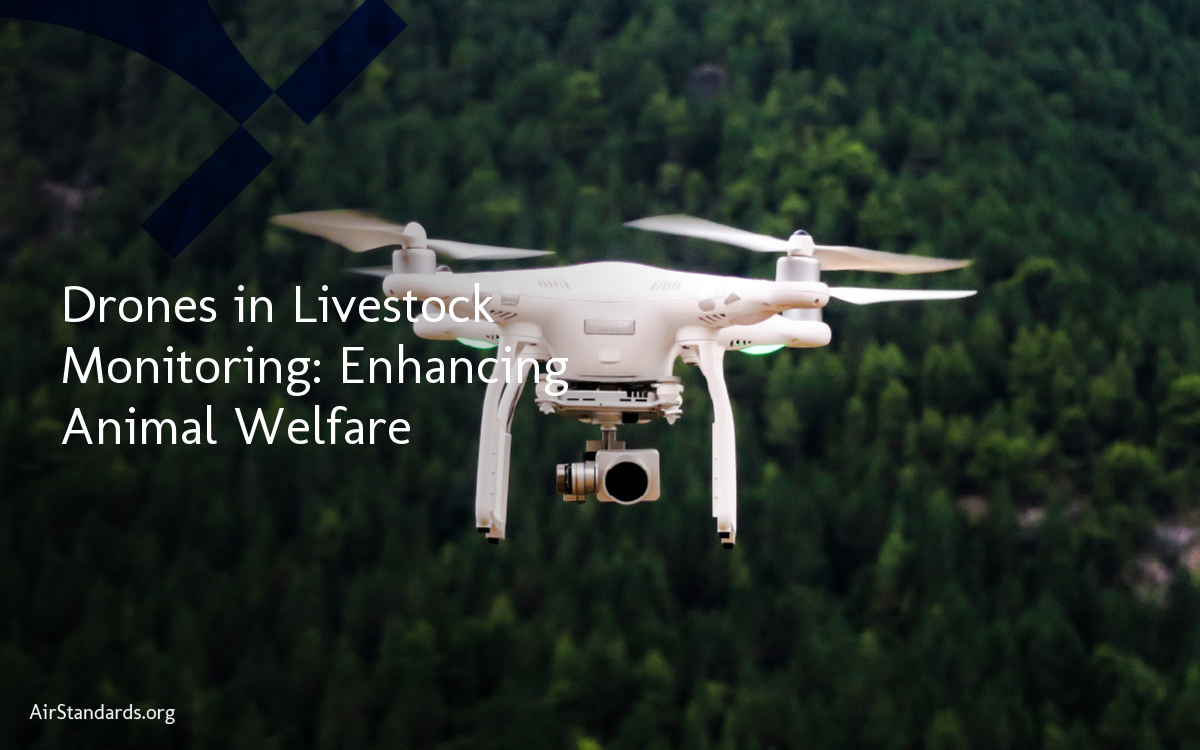
Another significant use of agricultural drones is livestock herding and tracking. Using GPS and AI algorithms, drones can guide herds and locate strays, saving time and effort for farmers. Furthermore, drones equipped with lasers can act as a deterrent to predators and pests, providing an added layer of protection for livestock.
In addition to weed control and livestock management, agricultural drones can also play a crucial role in pest deterrence and snake elimination. By utilizing lasers to temporarily blind or startle animals, drones can help protect crops and livestock from potential threats. Drones equipped with heat-seeking technology can also help identify and eliminate venomous snakes, ensuring the safety of both farmers and their animals.
| Applications | Benefits |
|---|---|
| Laser weed control | – Precision targeting – Reduces chemical herbicide usage – Environmentally friendly |
| Livestock herding and tracking | – Time and labor-saving – Ensures herd management – Locates strays efficiently |
| Pest deterrence | – Protects crops from predators – Minimizes crop loss – Reduces reliance on chemical pesticides |
| Snake elimination | – Ensures safety of farmers and livestock – Detects and eliminates venomous snakes – Reduces the risk of snake bites |
Child Safety
Another noteworthy application of agricultural drones is enhancing child safety in rural areas. Drones can monitor children’s activities and alert parents to potential dangers, providing peace of mind for families living on farms or in remote locations.
The multifaceted applications of agricultural drones highlight their immense potential for transforming the farming industry. From precision farming to enhanced livestock management and beyond, these drones offer versatile solutions that contribute to more efficient, sustainable, and safe agricultural practices.
The Impact of Drone Regulations on Innovation
Drone technology has the potential to revolutionize the agricultural industry, offering increased efficiency and sustainability. However, strict drone regulations often hinder innovation and impede progress. These regulations are primarily driven by safety concerns, aiming to ensure the safe integration of drones into airspace and prevent misuse for illicit activities.
While safety is paramount, the overarching nature of drone regulations limits the development of innovative capabilities. Advanced safety features like geo-fencing and anti-collision systems are crucial for enhancing drone safety, but their implementation is hindered by the restrictive regulatory framework.
In addition to limiting innovation, the complex and time-consuming regulatory processes hinder pilot programs and testing phases for innovative drone applications. Obtaining necessary authorizations can be challenging, leading to delays in progress and the gathering of valuable data. This impedes the ability of smaller innovators and startups to contribute to drone innovation and stifles their potential to drive economic growth and job creation.
The Economic Implications
The impact of drone regulations on innovation extends beyond technological limitations. The complex regulatory landscape imposes significant costs on businesses and inhibits the growth of the drone industry. Compliance with regulations often requires substantial financial investments in training, certifications, and documentation. Small innovators and startups, with limited resources, face additional financial burdens, as they struggle to navigate the intricate regulatory processes.
Furthermore, the restrictions imposed by drone regulations may deter investment in the industry. Uncertainty surrounding regulatory requirements creates a challenging environment for investors and can hinder the growth of the drone industry as a whole.
In order to foster innovation and maximize the potential of drone technology in agriculture, it is essential to strike a balance between safety concerns and the need for flexibility and adaptability in regulations. Streamlining the regulatory framework, facilitating pilot programs, and providing support for small innovators can all contribute to unlocking the full potential of drones in agriculture and driving sustainable economic growth.
| Table: Challenges Posed by Drone Regulations on Innovation |
|---|
| – Restrictive regulatory framework |
| – Limitation of advanced safety features |
| – Delays in pilot programs and testing phases |
| – Financial burden on small innovators and startups |
| – Uncertainty for investors |
Advancements in Drone Use for Agriculture and Natural Resource Management
Researchers and educators in various states have been actively working on increasing the adoption of drones for agriculture and natural resource management. Through collaborative projects, they have evaluated and identified reliable, cost-effective, and user-friendly drone platforms and sensors for monitoring and managing stressors in agriculture.
These drones are equipped with remote sensing technology that allows them to gather valuable data and provide actionable insights for farmers. They can be used to scout pests and diseases in crops, monitor plant water stress, enable faster plant screening, detect stray livestock herds, monitor water quality, and provide higher resolution data for flood risk models and water resource management.
The use of drones in agriculture and natural resource management offers significant advantages over traditional methods. With their ability to cover large areas quickly and collect high-resolution data, drones provide valuable management information that can guide decision-making and contribute to more profitable and sustainable agricultural practices.
| Advancements in Drone Use for Agriculture and Natural Resource Management |
|---|
| Scouting pests and diseases in crops |
| Monitoring plant water stress |
| Enabling faster plant screening |
| Detecting stray livestock herds |
| Monitoring water quality |
| Providing higher resolution data for flood risk models and water resource management |
Navigating Drone Regulations: Considerations and Guidelines for Farmers
Farmers interested in incorporating drones into their agricultural practices need to carefully consider several factors. One essential consideration is determining a drone budget that aligns with their specific needs and resources. Understanding the buying considerations is also crucial, including evaluating sensor capabilities, flight time, and obstacle avoidance systems. Additionally, farmers should take into account the need for additional accessories such as spare batteries and propellers to ensure uninterrupted operations.
To comply with rules and regulations, it is vital for farmers to familiarize themselves with the guidelines set by the Federal Aviation Administration (FAA). This includes obtaining the necessary licenses and authorizations for commercial drone use. Farmers must also be aware of special considerations, such as restricted airspace around airports and the use of the Low Altitude Authorization and Notification Capability (LAANC) for obtaining permissions in controlled airspace.
By following these guidelines and considering the regulations, farmers can safely and effectively incorporate drones into their farming operations. It is important to keep in mind that drone technology is constantly evolving, and staying up-to-date with the latest regulations and best practices is crucial for successful drone integration in the agricultural sector.

- SMED Manufacturing: Reduce Changeover Times & Boost Efficiency - January 30, 2026
- Aviation Lifecycle Services: Maximizing Safety, Efficiency, and Compliance Through Digital Strategies - December 1, 2025
- Syringe Pump Automation: Elevating Laboratory Standards - November 3, 2025